
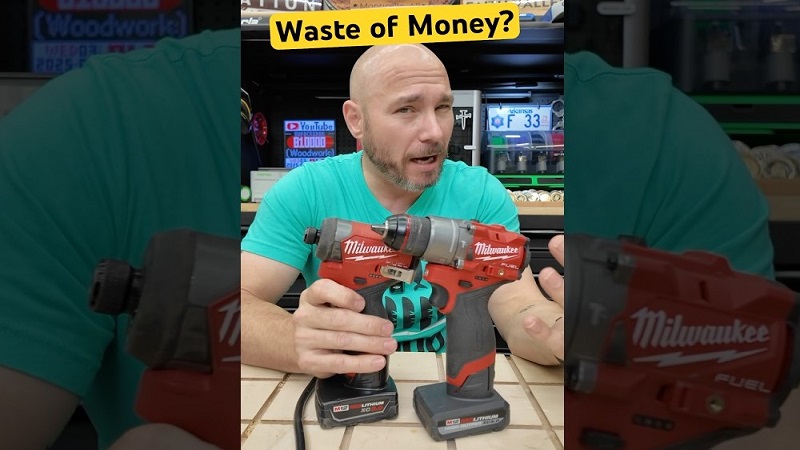
Power tools shape every job site, and serious users demand tools that work hard every day. Milwaukee Fuel stands as one of the most talked-about cordless tool lines in the market. Contractors praise its torque, speed, and smart electronics.
Home users notice the high price tag and pause before buying. Brand reputation alone does not justify a purchase. Real value comes from strength, battery life, durability, and long-term savings.
This guide breaks down what Milwaukee Fuel really offers. You will see how brushless motors improve efficiency. You will learn how REDLINK technology protects tools under heavy load. You will compare performance with other top brands. Cost, warranty, and upgrade paths also matter in this decision.
Smart buyers ask one question before spending their money. Does this tool line deliver enough power and reliability to earn its premium price? This article gives a clear answer based on real features and real use.
Is Milwaukee Fuel Worth It?
Milwaukee Fuel tools hold a strong place in the power tool world. Many buyers see the high price and ask one clear question. Is Milwaukee Fuel worth it?
This guide gives a very deep and clear answer. Each part explains how the system works in real life. Simple words. Short lines. No hype. No sales tone. This article helps non native readers judge power, life, cost, and daily use.
The Full Milwaukee Fuel System
Milwaukee Fuel is not only a tool. It is a full system.
Three main parts work together.
-
Powerstate brushless motor
-
Redlink Plus electronics
-
Redlithium high output battery
Each part supports the others.
- Motor gives raw power.
- Electronics control and protect.
- Battery feeds stable current.
Without one part, the system loses strength.
Powerstate Brushless Motor in Detail
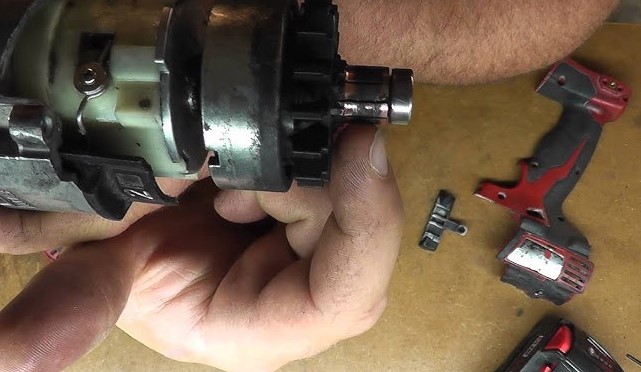
Brushless motors use magnets and sensors.
No brushes means:
-
Less friction
-
Less heat
-
Higher efficiency
-
Longer life
Torque comes from strong magnets. Sensors track rotor position. Controller sends exact current.
Result:
-
Fast start
-
Strong pull under load
-
Smooth speed control
This motor design suits heavy duty work.
Redlink Plus Electronics Deep Look
Redlink Plus acts like a brain. This system checks many things at the same time.
-
Motor temperature
-
Battery temperature
-
Current flow
-
Load level
Functions:
-
Stops overload
-
Reduces heat damage
-
Protects battery cells
-
Prevents deep discharge
Tool shuts down before damage. This system saves motors and batteries from early failure.
Redlithium High Output Battery Design
Battery quality controls tool power. Redlithium batteries use special cell layout.
Key design points:
-
High current cells
-
Thick copper bus bars
-
Impact resistant shell
-
Thermal path for cooling
High output batteries give:
-
Higher peak power
-
Lower internal resistance
-
Less voltage drop
-
Longer runtime under load
Heavy tools depend on this battery design.
Power Delivery and Current Flow
Fuel tools manage current in a smart way.
At start:
-
High current boost
-
Fast torque rise
Under load:
-
Current stays stable
-
Voltage drop stays low
Under heat:
-
System reduces current
-
Tool protects itself
This balance gives strong performance and long life.
Torque, Speed, and Control
Torque matters in real work.
- Fuel drills deliver high stall torque.
- Impact drivers deliver high breakaway torque.
- Impact wrenches loosen tight bolts.
Speed control stays smooth.
- Trigger response stays linear.
- Low speed work stays precise.
- High speed stays stable.
Control reduces mistakes and damage.
Performance Under Heavy Load
Heavy load shows true quality.
Fuel tools handle:
-
Thick hardwood
-
Large hole saws
-
Long lag bolts
-
Heavy grinding
Speed drop stays small. Motor sound stays steady. Heat rise stays controlled. Cheap tools fail here.
Thermal Management System
Heat control protects life.
Fuel tools use:
-
Motor air channels
-
Heat sinks in electronics
-
Battery cooling ribs
Sensors measure heat every second.
When heat rises:
-
Current reduces
-
Speed lowers
-
Tool rests safely
This system prevents coil burn and cell damage.
Mechanical Parts and Gear Train
Internal parts matter.
Fuel gearboxes use:
-
Steel gears
-
Hardened shafts
-
Strong bearings
-
Thick grease
Gear teeth resist wear. Backlash stays low. Noise stays low. This improves accuracy and life.
Housing and Structural Design
Outer shell protects inner parts.
Fuel tools use:
-
Thick nylon plastic
-
Fiber reinforcement
-
Rubber bumpers
Drop resistance stays high. Dust seals protect switches. Water splash causes no harm. Job site abuse causes less damage.
Ergonomics in Daily Use
Handling affects productivity.
- Grip angle fits wrist.
- Rubber grip reduces slip.
- Trigger pull stays light.
- Forward reverse switch stays firm.
Balance improves control. Compact models reduce fatigue. This helps long work hours.
Noise, Vibration, and User Comfort
Fuel tools reduce vibration.
- Brushless motor runs smoother.
- Balanced rotors reduce shake.
- Gear design lowers noise.
Lower vibration reduces hand strain. Lower noise protects hearing. Comfort improves safety.
Battery Runtime in Real Work
Runtime depends on load.
Light drilling:
-
Long runtime
Heavy grinding:
-
Shorter runtime
High output batteries:
-
Hold voltage longer
-
Deliver more peak current
-
Heat less
Battery efficiency saves time. Fewer battery swaps.
Battery Aging and Cell Health
Battery life matters for cost. Redlithium cells age slowly.
Main aging causes:
-
Heat
-
Deep discharge
-
Fast charging stress
Good care extends life.
- Store cool.
- Avoid full drain.
- Avoid long heat exposure.
Many batteries last several years.
Charging System and Speed
Fast chargers reduce downtime.
Milwaukee chargers use:
-
Multi stage charging
-
Temperature control
-
Cell balance
Charging slows near full. Heat stays low. This protects cell health.
System Expansion and Long Term Value
One battery fits many tools.
Users can add:
-
Drill today
-
Saw next year
-
Grinder later
No need new batteries each time. This saves money long term. System value grows over time.
Durability in Harsh Environments
Fuel tools work in:
-
Dust
-
Cold
-
Light rain
-
High vibration
Sealed switches resist dust. Electronics resist moisture. Cold performance stays stable. Harsh sites show Fuel strength.
Repairability and Service Support
Repair matters for pros.
Milwaukee offers:
-
Spare parts
-
Service centers
-
Online diagrams
Motors can be replaced. Switches can be replaced. Gearboxes can be rebuilt. This extends tool life.
Cost Analysis Over Time
High price shows upfront. But long life reduces yearly cost.
Example:
- Cheap tool lasts 2 years.
- Fuel tool lasts 6 years.
Total cost becomes similar. Downtime cost also matters. Fuel reduces downtime.
Weight and Fatigue Trade Off
Fuel tools weigh more.
Extra weight comes from:
-
Larger motor
-
Thick gears
-
Strong housing
Heavy weight tires arms. Compact Fuel models reduce this issue. Right model choice matters.
Fuel vs Corded Tools
Many Fuel tools replace corded tools.
Advantages:
-
No cable
-
Portable
-
Similar power
Limitations:
-
Battery runtime
-
Heat under long load
For many tasks, Fuel works as corded replacement.
Fuel vs Gas Tools
Outdoor Fuel tools replace gas tools.
Benefits:
-
Less noise
-
No fuel
-
Less maintenance
Power suits light to medium outdoor work. Heavy farm work still suits gas.
Typical User Mistakes
Some problems come from misuse.
Common mistakes:
-
Using small batteries on heavy tools
-
Blocking cooling vents
-
Overloading continuously
-
Storing batteries in heat
Correct use prevents damage.
Who Gets Maximum Value?
Best users:
-
Full time workers
-
Workshop owners
-
Field technicians
-
Heavy DIY builders
Not best for:
-
Occasional use
-
Light repairs only
-
Very small budgets
Match tool to work.
Long Term Ownership Experience
Many users report:
-
Stable power after years
-
Few electronic failures
-
Strong battery life
-
Good resale value
This shows strong system design.
FAQs
Does Milwaukee Fuel really last longer?
Yes. Brushless motor and smart control extend life.
Can small batteries damage Fuel tools?
No damage. Power output drops. High output batteries give best results.
Are Fuel tools too complex?
Electronics stay hidden. User experience stays simple.
Do Fuel tools need special care?
Normal care works. Keep clean. Keep cool. Avoid deep drain.
Are Fuel tools good for students?
Technical students benefit. Casual learners do not need this level.
Conclusion
Milwaukee Fuel worth it for serious work. System design brings power, control, and long life. High price matches strong build and smart protection. Light users can save money with simpler tools. Right choice brings long term value.