
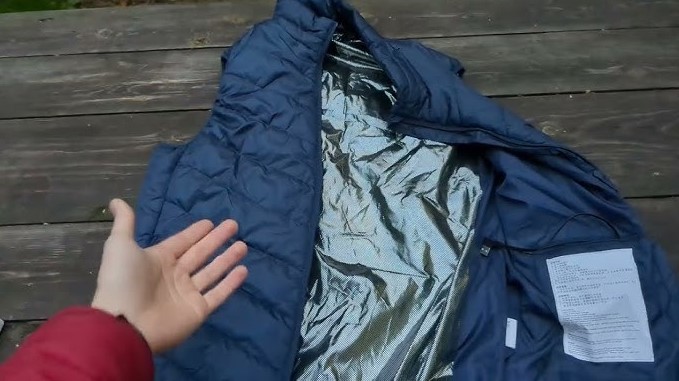
A Milwaukee heated jacket costs real money and delivers real warmth, so proper washing matters more than most people think. Dirt, sweat, and oil slowly reduce fabric performance and can damage heating elements over time.
Careless cleaning often leads to dead heat zones, weak batteries, or stiff fabric. The good news is that safe washing does not require special tools or professional services. Simple steps protect the wiring, keep insulation soft, and extend battery life.
Many owners skip the manual and rely on guesswork, which shortens the jacket’s lifespan fast. Clear knowledge helps prevent expensive mistakes. This guide breaks down the exact way to clean a Milwaukee heated jacket while keeping heat output strong and consistent.
Every step focuses on safety, durability, and long-term comfort. Proper care also keeps the jacket smelling fresh and feeling flexible through cold seasons. A few smart habits turn one jacket into years of reliable warmth.
How to Wash Milwaukee Heated Jacket?
Milwaukee heated jackets are designed to keep you warm during cold weather. They have built-in heating elements powered by a battery. Washing the jacket incorrectly can damage these wires, reduce heating efficiency, or even ruin the battery connectors.
Proper cleaning keeps your jacket safe, clean, and working longer. This guide explains every step in detail, with tips to protect the fabric, heating system, and battery.
Preparing the Jacket for Washing
Remove the Battery
Always remove the battery before cleaning. The battery is sensitive to water and can short circuit if exposed. Most Milwaukee jackets use lithium-ion batteries.
Water can permanently damage them or cause corrosion on the connectors. Always check the battery is fully removed before starting.
Inspect the Jacket
Look for visible dirt, mud, or stains. Check the inside and outside pockets. If there is mud, gently shake it off or use a soft brush. Heavy stains can be pre-treated with a damp cloth and a small amount of mild detergent. Avoid scrubbing too hard as it can damage the heating wires inside.
Close Zippers and Velcro
Zippers can snag fabric during washing. Velcro strips can stick to other parts of the jacket and create holes or tears. Close all zippers and secure Velcro tabs. This simple step prevents long-term fabric damage.
Turn the Jacket Inside Out
Turning the jacket inside out reduces friction on the outer fabric during washing. It also protects printed logos or designs from fading or peeling.
Washing Instructions
Hand Washing (Best Method)
Hand washing gives the most control and is safest for the heating wires.
Steps:
-
Fill a sink or basin with cold water. Avoid hot water as it can damage insulation or shrink fabric.
-
Add 1–2 teaspoons of mild liquid detergent. Avoid powder detergent, bleach, or fabric softeners. These chemicals can damage wires or reduce jacket durability.
-
Submerge the jacket fully. Gently move it in the water. Do not twist, wring, or pull forcefully. Twisting can break heating wires.
-
Use a soft cloth or sponge to rub heavily soiled areas. Focus on sleeves, cuffs, and collars.
-
Drain the soapy water and refill the sink with cold water for rinsing. Repeat rinsing 2–3 times until no soap remains. Soap left inside the fibers can reduce water resistance and make the jacket stiff.
Machine Washing (Only If Necessary)
Machine washing carries some risk but can be done carefully.
Steps:
-
Place the jacket inside a mesh laundry bag. This prevents zippers and Velcro from catching on the machine.
-
Use a gentle cycle with cold water. High-speed spinning or hot water can damage wires or shrink the fabric.
-
Add only a small amount of mild detergent. Avoid bleach or softeners.
-
Skip the spin-dry function if possible. Water can still reach sensitive areas if spun too fast.
Drying the Jacket
Air Dry Only
Hang the jacket on a padded hanger or lay it flat on a clean surface. Keep it away from direct sunlight, radiators, or heaters. Direct heat can melt wires, shrink fabric, or warp battery connectors.
Avoid Ironing or Dryers
Ironing or tumble drying is unsafe. The internal heating system is sensitive to heat. Even low heat can permanently damage wires and battery connections.
Test the Jacket After Drying
Once the jacket is completely dry, reinsert the battery. Turn it on to ensure all heating zones work properly. This step confirms there is no hidden water damage inside.
Extra Tips for Longevity
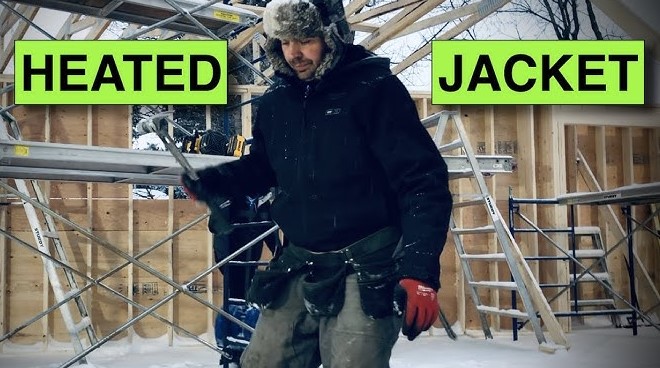
-
Wash the jacket only when necessary. Frequent washing can wear out wires faster and reduce battery efficiency.
-
Spot clean small stains. For example, a damp cloth and mild soap can remove food stains without a full wash.
-
Avoid soaking the battery area. Even with the battery removed, water can reach connectors if soaked.
-
Store the jacket in a dry place. Humidity can cause corrosion in wires and connectors over time.
-
Check heating cables before washing. Small tears or exposed wires can worsen during cleaning.
FAQs
Q1: Can I use bleach or harsh chemicals?
No. Bleach or strong chemicals can damage fabric and heating wires. Mild liquid detergent is safest.
Q2: Can I tumble dry my heated jacket?
No. Heat can melt wires, warp connectors, or shrink the fabric. Air dry only.
Q3: How often should I wash my heated jacket?
Wash only when dirty. Frequent washing wears out the wires and reduces jacket life. Spot clean when possible.
Q4: Can I iron the jacket?
Never iron. Heat can damage heating elements and battery connections.
Q5: How can I protect the battery area during cleaning?
Always remove the battery. Avoid soaking connectors and do not twist the fabric near the battery pocket.
Conclusion
Cleaning a Milwaukee heated jacket safely protects both the fabric and internal heating system. Removing the battery, using mild detergent, hand washing, and air drying are the safest methods.
Spot cleaning can extend the jacket’s life. Following these detailed steps ensures the jacket stays warm, clean, and functional for many cold days.