
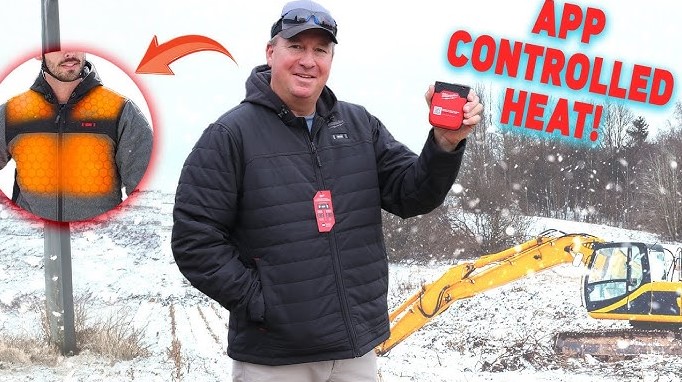
Cold weather can drain energy and focus during outdoor work or winter adventures. A Milwaukee heated jacket solves that problem with built-in heating zones and simple controls. Many new owners feel confused during their first setup and miss features that improve comfort.
This quick guide explains the exact steps that help you power the jacket, adjust heat levels, and manage the battery safely. Clear instructions help you stay warm without wasting battery life. Practical tips also show smart ways to layer clothing and extend heat during long hours outside.
Outdoor workers, campers, and commuters all benefit from a jacket that delivers steady warmth on demand. Proper use keeps the heating system efficient and protects the battery from damage.
Simple habits such as correct charging and storage make the jacket last much longer. Readers will finish this guide with confidence and full control over every heat setting. Start today for warmth.
How to Use Milwaukee Heated Jacket?
Cold weather reduces body comfort and work performance. Muscles tighten. Hands move slower. Long hours outside become difficult. A heated jacket helps solve this problem by adding steady warmth directly to the body.
The Milwaukee Heated Jacket uses battery-powered heating elements that sit inside the fabric. Small carbon fiber heating panels produce heat and spread it across key areas of the body. Most models warm the chest, upper back, and hand pockets.
Many first-time users feel confused about the battery system, heat settings, and safe operation. Clear steps make the process simple. Proper use also improves comfort and extends the life of the jacket.
This guide explains every step in detail. Battery setup. Heat control. Maintenance. Safety tips. Practical advice. Simple language. Easy steps.
How a Milwaukee Heated Jacket Works?
A heated jacket uses a rechargeable lithium-ion battery. The battery sends electricity through thin heating wires placed between fabric layers. Heat spreads through the jacket lining and warms the body directly.
Key heating areas include:
-
Chest panels
-
Upper back panel
-
Hand pocket warmers
Body heat builds quickly because the heating elements sit close to the core of the body. Warm blood then travels through the arms and legs. This process helps the whole body feel warmer.
Most jackets reach noticeable warmth within 30 to 90 seconds after activation.
Carbon fiber heating wires work well because they:
-
Heat evenly
-
Use less electricity
-
Stay flexible inside fabric
-
Last longer than metal wires
The jacket combines insulation and powered heat. Two layers of warmth work together.
Main Components of the Jacket
Each part of the jacket performs a specific job. Understanding these parts helps users operate the jacket correctly.
Heating Panels
Heating panels sit inside the lining. Carbon fiber threads produce heat once electricity flows through them.
Most models include three heating zones:
-
Left chest
-
Right chest
-
Upper back
Some versions also warm hand pockets.
These zones warm the body core first. Body core heat improves comfort faster than warming arms or legs alone.
Rechargeable Battery Pack
The Milwaukee Heated Jacket usually uses a 12V lithium-ion battery.
Typical battery specifications:
-
Voltage: 12 volts
-
Capacity: 2.0Ah to 3.0Ah depending on model
-
Recharge cycles: about 1,000 cycles
Lithium-ion batteries offer several advantages:
-
Fast charging
-
Long runtime
-
Lightweight design
-
Strong power output
Battery size affects how long the jacket produces heat.
Battery Pocket
A special pocket inside the jacket holds the battery safely. The pocket usually sits near the lower back or side of the jacket. This placement keeps weight balanced and prevents discomfort while moving.
Most pockets include:
-
A zipper closure
-
A cable opening
-
Padding for protection
Proper battery placement protects the heating system.
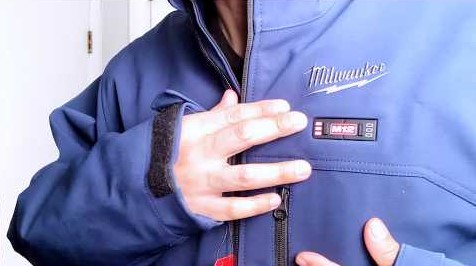
Power Button and LED Indicator
A single button controls the heating system. The button also shows the heat level through LED colors.
Common color system:
-
Red light – High heat
-
White light – Medium heat
-
Blue light – Low heat
LED indicators help users adjust temperature quickly without removing gloves.
Step-by-Step Guide to Using the Jacket
Clear steps help new users avoid mistakes.
Step 1: Charge the Battery Fully
A full battery ensures strong heat performance.
Follow this process:
-
Remove the battery from the jacket.
-
Connect the battery to the charger.
-
Plug the charger into a wall outlet.
-
Wait until the charger light shows a full charge.
-
Remove the battery.
Charging time usually takes 60 to 120 minutes. A partial charge reduces heating time.
Step 2: Install the Battery in the Jacket
The jacket needs a battery connection before heat works.
Steps:
-
Locate the internal battery pocket.
-
Place the battery inside the pocket.
-
Connect the battery cable to the jacket cable.
-
Close the pocket zipper.
Secure connection prevents power interruptions. Loose cables may stop heat suddenly.
Step 3: Turn the Jacket On
The power button controls the entire heating system.
Steps:
-
Press and hold the power button for about 2 seconds.
-
LED light turns on.
-
Heat begins to build.
Warmth spreads across the chest and back within a short time. First heat sensation appears within 30–60 seconds.
Step 4: Adjust Heat Levels
Temperature control helps manage comfort and battery life.
Press the power button once to cycle through heat settings.
Heat levels:
High (Red)
Maximum heat output.
Best for freezing temperatures.
Medium (White)
Balanced warmth and battery life.
Low (Blue)
Light warmth with long battery runtime.
Outdoor workers often start with high heat for a few minutes. Then they switch to medium or low. This method saves battery energy.
Heat Performance and Battery Runtime
Battery life depends on several factors.
Important factors include:
-
Outside temperature
-
Heat level selected
-
Battery capacity
-
Wind exposure
Typical runtime for a 2.0Ah battery:
-
High heat: about 3 hours
-
Medium heat: about 6 hours
-
Low heat: about 8 hours
A larger 3.0Ah battery may extend runtime by about 30–50 percent.
Cold temperatures can reduce battery efficiency. Keeping the battery warm inside the jacket helps maintain performance.
Proper Layering With a Heated Jacket
Clothing layers affect heating efficiency.
Good layering traps heat better.
Recommended layering system:
Base Layer
Wear a thin moisture-wicking shirt. Cotton absorbs sweat and reduces warmth. Synthetic fabric or wool works better.
Heated Jacket Layer
The heated jacket sits above the base layer. Heat spreads directly through this layer.
Outer Layer (Optional)
Strong wind may require an outer shell. Windproof layers trap heat and improve comfort. Three layers create better insulation.
Cleaning and Washing Instructions
A heated jacket requires careful cleaning to protect the electrical system.
Preparation Before Washing
Always follow these steps:
-
Remove the battery.
-
Disconnect all cables.
-
Empty pockets.
-
Close all zippers.
Washing Method
Machine washing works if done correctly.
Use these settings:
-
Cold water
-
Mild detergent
Avoid bleach or strong chemicals.
Hand washing also works well.
Drying Process
Drying must stay gentle.
Options include:
-
Air drying on a hanger
-
Tumble drying on low heat
High heat may damage heating elements. Allow the jacket to dry fully before using it again.
Storage Tips
Proper storage protects battery life and fabric condition.
Follow these guidelines:
-
Store the jacket in a dry place.
-
Remove the battery during long storage.
-
Keep the battery partially charged.
-
Avoid extreme heat or freezing temperatures.
Battery health lasts longer with proper storage.
Safety Guidelines
Electrical clothing requires safe use.
Follow these precautions:
-
Do not use the jacket with damaged wires.
-
Avoid water exposure to the battery pack.
-
Do not modify internal wiring.
-
Turn off heat before removing the battery.
-
Inspect cables regularly.
These simple checks reduce the risk of damage.
Who Uses Heated Jackets Most?
Many professionals rely on heated jackets during winter.
Common users include:
-
Construction workers
-
Electricians
-
Warehouse staff
-
Outdoor mechanics
-
Delivery drivers
-
Winter hikers
-
Hunters and anglers
Long outdoor hours require consistent warmth. A heated jacket provides that warmth without heavy clothing layers.
Common Problems and Quick Solutions
Small issues sometimes appear during use.
Jacket Does Not Turn On
Check these points:
-
Battery fully charged
-
Battery connected properly
-
Power button pressed long enough
A loose cable often causes this problem.
Heat Stops Suddenly
Possible reasons include:
-
Empty battery
-
Loose connection
-
Automatic power protection
Reconnect the battery and restart the jacket.
Uneven Heat
Uneven warmth may happen if the jacket fits loosely. Better fit improves heat transfer.
FAQs
How long does the battery last in a Milwaukee heated jacket?
Battery runtime usually ranges between 3 and 8 hours depending on heat level, weather conditions, and battery size.
How fast does the jacket heat up?
Most jackets begin producing noticeable warmth within 30 to 60 seconds after turning on the power.
Can the jacket work without heat?
Yes. The jacket functions like a normal insulated jacket even when the heating system stays off.
Is the jacket safe for winter rain?
Light moisture usually does not cause issues. Heavy rain may damage electrical parts. Dry the jacket quickly after exposure to water.
How many heating zones exist in the jacket?
Most models include three heating zones located in the chest and upper back.
Conclusion
Cold weather reduces comfort and productivity during outdoor work. Battery-powered heating provides a practical solution. The Milwaukee Heated Jacket delivers warmth through carbon fiber heating panels powered by a rechargeable battery.
Proper battery charging, correct heat adjustment, and careful washing help maintain the jacket for many seasons. Simple steps ensure reliable performance during harsh winter conditions.
Warmth becomes easier to manage. Outdoor work feels more comfortable. Cold temperatures create fewer problems.