
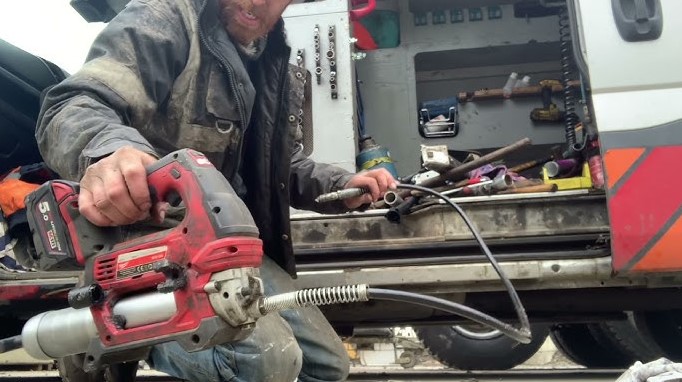
A properly loaded grease gun keeps machinery running smoothly and extends the life of your equipment. Milwaukee grease guns are built for durability and precision, but using them effectively requires understanding how to load them correctly.
Grasping this process ensures consistent lubrication and prevents messy leaks or wasted grease. Knowing the right method saves time on maintenance and reduces frustration on the job. Every component, from the cartridge to the coupler, works best when the gun is filled properly.
This guide walks through each step clearly, showing how to prepare, insert, and prime the grease so the tool operates at peak efficiency. Users of all skill levels can follow these instructions to maintain performance and safety.
Proper technique improves control, prevents blockages, and keeps equipment performing reliably. Mastering the loading process turns routine maintenance into a faster, cleaner, and more effective task.
How to Load Milwaukee Grease Gun?
A grease gun helps machines, vehicles, and tools last longer. Milwaukee grease guns are known for strong build and smooth performance.
Correct loading ensures proper lubrication, prevents damage, and saves time. This guide explains every step in detail so anyone can do it safely.
Understanding Milwaukee Grease Guns
Milwaukee offers different types of grease guns:
-
Manual Grease Gun: You pump grease by hand. Good for small jobs and workshops.
-
Cordless/Battery Grease Gun: Battery powers the gun for faster, easier pumping. Best for large tasks or hard-to-reach areas.
-
Pneumatic Grease Gun: Uses air pressure. Ideal for professional workshops or high-volume jobs.
All types use standard grease cartridges. Most cartridges hold 14 oz (400 g) of grease. The grease is usually lithium-based, suitable for most automotive and machinery needs.
Tools and Items Needed
-
Milwaukee grease gun (any type)
-
14 oz grease cartridge (check compatibility)
-
Clean rag or cloth
-
Gloves to avoid grease on hands
-
Optional: small container to catch spills
Step-by-Step Guide to Load the Grease Gun
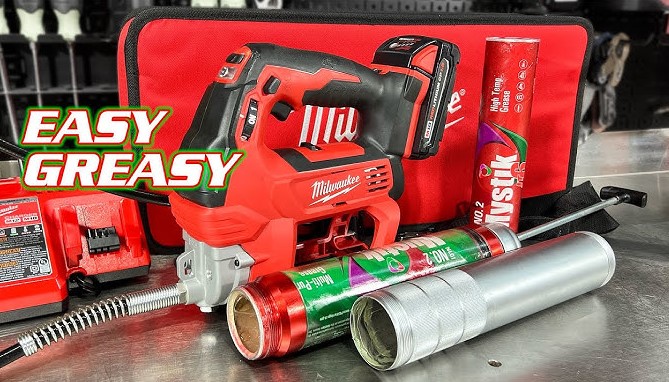
1. Prepare the Grease Gun
Pull the plunger or T-handle to the rear. This opens space inside the barrel for the new grease. Check for old grease or dirt in the barrel and wipe it clean. Dirt can clog the gun and damage the nozzle.
Tip: Always point the gun upward when cleaning. This prevents grease from spilling.
2. Open the Gun
Unscrew the head of the grease gun from the barrel. Milwaukee guns usually have a threaded head, which can be turned by hand. Keep a rag ready to catch any leftover grease.
Important detail: Threads on the head must be clean. Tiny dirt or metal pieces can cause leaks or make screwing the head back difficult.
3. Insert the Grease Cartridge
-
Remove both ends of the grease cartridge. One end is sealed with a metal cap, the other has a plastic cap.
-
Insert the cartridge into the barrel with the open end facing the head. The closed metal end should stay at the back.
-
Press the cartridge gently to fit snugly inside.
Extra detail: Some guns have a spring follower rod. Push it forward after inserting the cartridge. This ensures the grease is pressed evenly and avoids air pockets.
4. Remove Air Pockets
Air pockets reduce grease flow and make pumping harder. Use these methods:
-
For manual guns: pump the handle slowly until grease appears at the nozzle.
-
For battery guns: press the trigger in short bursts.
-
If using a follower rod: press it forward slowly to push grease and air out.
Data point: A small air pocket can reduce grease output by up to 50%, making the first few pumps useless if not removed.
5. Close the Gun
Screw the head back tightly. Make sure no grease leaks at the threads. Wipe the nozzle with a rag to remove excess grease.
Tip: Do not over-tighten. Excessive force may damage the gun threads.
6. Prime the Grease Gun
Pump the handle or press the trigger until grease starts coming out of the nozzle. Usually, 3–5 pumps are enough. This step ensures smooth flow and prepares the gun for use.
Extra detail: Priming also confirms the gun has no blockages. If grease does not come out, check for air pockets or clogged nozzle.
Extra Tips for Safe and Efficient Loading
-
Wear gloves. Grease can stain hands and clothes.
-
Check the nozzle before each use. Remove hardened grease to avoid clogging.
-
Store cartridges in a cool, dry place. Heat or sunlight can spoil grease consistency.
-
Use grease suitable for your equipment: lithium grease is standard, but marine or synthetic types exist for special conditions.
-
Keep spare cartridges. Running out mid-job can slow work.
Cleaning and Maintenance
Regular maintenance keeps the grease gun working longer:
-
Wipe the outside after each use.
-
Remove leftover grease from nozzle. Hardened grease can block the flow.
-
Inspect for cracks, worn threads, or damaged hoses.
-
Lubricate moving parts occasionally to prevent stiffness.
Data point: A well-maintained grease gun can last 5–10 years depending on usage, while a poorly maintained one may fail within months.
Common Mistakes to Avoid
-
Using wrong size cartridges – may jam the gun.
-
Skipping air removal – causes uneven grease flow.
-
Over-tightening the head – damages threads.
-
Not cleaning the nozzle – leads to clogs.
-
Storing gun in hot or dirty areas – shortens life.
Final Thoughts
Loading a Milwaukee grease gun correctly ensures smooth performance, saves time, and protects your equipment. Careful preparation, proper cartridge insertion, and air removal are key steps. Follow these instructions every time for consistent results.
FAQs
Q1: Can I use any grease in a Milwaukee grease gun?
Use only cartridges labeled for your gun type. Wrong grease may clog or damage the gun.
Q2: How long does a cartridge last?
Depends on use. Light jobs may last weeks. Heavy machinery can use a cartridge in a few hours.
Q3: How can I remove air pockets efficiently?
Push the follower rod slowly or pump the handle repeatedly until grease flows.
Q4: Is it safe to leave a cartridge in the gun?
Yes, but check for leaks and cover the nozzle to prevent drying.
Q5: How often should I clean the gun?
Clean after every use. Check the nozzle and outside for grease buildup.