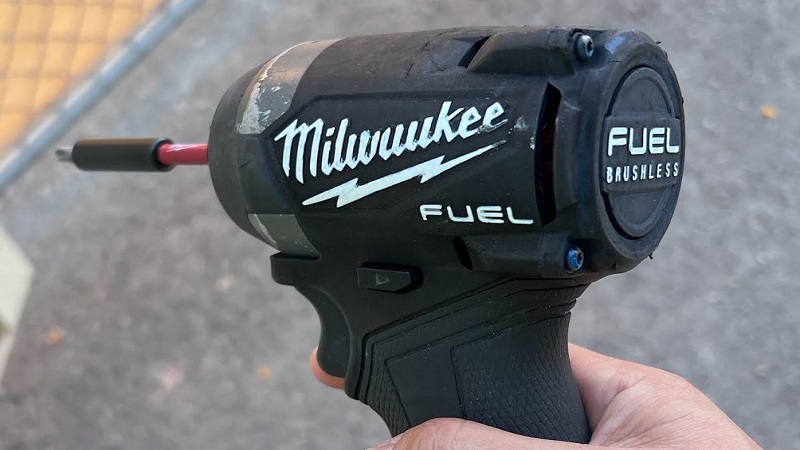
Bright red stands out on any jobsite, yet personal style and easy identification matter just as much as performance. Fans of Milwaukee Tool gear often want a custom look that separates their drill or impact driver from the rest of the crew’s lineup.
A fresh dye job can turn a standard tool into a signature piece that reflects personality while still delivering the rugged reliability Milwaukee builds into every product. This guide walks through practical steps that help you add rich, lasting color without damaging the housing or internal components.
Clear prep work, the right dye selection, and careful application make all the difference between a streaky experiment and a professional finish. Grab your safety gear, set up a clean workspace, and get ready to give your Milwaukee tools a bold new identity that commands attention on every project.
How to DYE Milwaukee Tools?
Milwaukee tools come in bright red plastic. Many users love the color. Some want a different style. Others want easy tool ID on busy job sites. A custom color helps you find your drill fast.
You can dye Milwaukee tools at home. The process needs heat, time, and care. The dye must bond with the plastic. You must control temperature. You must prepare the surface well.
This guide explains the full process in deep detail. Clear steps. Clear reasons. Simple language.
Understand the Plastic First
Milwaukee tool housings use strong impact-resistant plastic. Most shells use nylon or glass-filled nylon. This plastic handles drops, heat, and stress.
Dye works by entering the surface layer of plastic. Heat opens tiny pores in the material. The dye moves inside. As the plastic cools, the pores close and trap the color. Paint sits on top. Dye goes inside.
Depth of color depends on:
-
Heat level
-
Time in dye bath
-
Type of dye
-
Original plastic color
Red plastic limits light color results. Dark colors give better coverage.
Why Synthetic Dye Works Better?
Regular fabric dye works for cotton. Tool shells are synthetic plastic. You need dye made for synthetic materials.
Synthetic dye contains special color molecules. These molecules bond better with nylon and similar plastics.
Water temperature should stay between 180°F and 200°F (82°C to 93°C). Lower heat reduces color depth. Boiling water above 212°F (100°C) may warp thin parts. Temperature control matters.
Full Materials List With Details
Prepare tools before you begin:
-
Synthetic fabric dye (black or dark color works best)
-
Stainless steel pot (large enough for full shell halves)
-
Cooking thermometer
-
Stove or portable burner
-
Rubber gloves
-
Eye protection
-
Torx and Phillips screwdrivers
-
Small container for screws
-
Degreaser spray
-
Dish soap
-
Soft brush
-
400–600 grit sandpaper
-
Clean microfiber cloth
-
Tongs
-
Old towels
Do not use aluminum pots. Dye can stain them. Do not use pots that you use for food later.
Safety and Work Area Setup
Heat, dye, and tools create risk. Plan your workspace. Work in a garage or outdoor area. Open windows for airflow.
Cover your table with plastic sheet. Dye stains floors, counters, and skin. Keep electrical parts far from water. Remove battery pack before disassembly. Keep children and pets away.
Step 1: Full Tool Disassembly
Remove battery first.
Open all visible screws. Milwaukee tools often use Torx screws. Use the correct bit size to avoid stripping.
Lift one half of the shell slowly. Internal parts may shift.
Inside you will see:
-
Motor
-
Gear housing
-
Trigger switch
-
Wires
-
LED light
-
Forward/reverse switch
Take photos at each step. Photos help you rebuild correctly. Remove only plastic shell pieces. Leave rubber overmold attached if possible. Rubber may react differently to dye.
Separate label stickers if you want to keep them clean. Heat can damage labels.
Step 2: Deep Cleaning Process
Oil and dirt block dye from entering plastic. Wash shell halves with warm water and dish soap. Scrub with soft brush. Focus on grip areas. Spray degreaser on oily zones. Wipe clean. Rinse fully. Dry with towel.
Light sanding improves dye absorption. Use 400–600 grit sandpaper. Sand evenly across surface. Do not remove too much material. Just dull the shine.
After sanding, wipe dust with damp cloth. Let parts dry fully. Dry plastic absorbs dye better than wet plastic.
Step 3: Prepare Accurate Dye Bath
Fill stainless steel pot with enough water to fully cover parts. Heat water slowly. Use thermometer. Keep temperature around 190°F (88°C). Do not let water boil strongly.
Add dye according to package instructions. For deep black color, use full bottle for 3–4 liters of water. Stir slowly until color spreads evenly. Uneven mixing causes blotchy finish.
Step 4: Dyeing Process in Detail
Lower plastic parts slowly into hot dye bath. Use tongs to avoid splashes. Keep parts moving every few minutes. Movement prevents color spots.
Check color every 5–10 minutes. Color deepens over time. Red base may show through at first. Dark dye slowly covers it.
Typical time range:
-
20 minutes for light tone
-
30–40 minutes for deep tone
-
Up to 60 minutes for strong black
Do not leave parts unattended. Thin plastic edges can warp if heat stays too high for long periods.
Color Science With Red Base
Red plastic already contains pigment. Dye adds another layer of color inside. Black over red works well. Dark blue also works.
Green may turn brownish due to red mix. Light gray may appear pink. White does not work. Understand base color before picking dye.
Step 5: Cooling and Rinsing
Remove parts with tongs. Rinse under cool running water. Keep rinsing until water runs clear. This step removes extra surface dye.
Place parts on towel. Let parts air dry for at least 24 hours. Color may appear slightly lighter after full drying.
Optional: Clear Coat Protection
Dye penetrates surface. Scratches may still expose red plastic under heavy damage. Clear matte spray can add protection. Light coats work best.
Wait full 48 hours before heavy use. Many users skip clear coat and rely only on dye.
Reassembly Process
Check that all parts feel dry and cool. Place motor and trigger back into shell half. Route wires exactly as before. Poor wire placement can pinch during closing.
Join both shell halves carefully. Insert screws and tighten evenly. Do not over tighten. Plastic threads strip easily. Insert battery and test tool.
Test:
-
Trigger response
-
LED light
-
Forward/reverse switch
-
Speed control
Everything should work exactly like before.
Durability Over Time
Dye bonds with surface layer. Light scratches may not show much color loss. Deep cuts may reveal original red plastic underneath.
Heat resistance stays the same. Structural strength stays the same when heat remains controlled. Excess heat above 210°F may weaken thin areas.
Common Problems and Fixes
Uneven Color
Cause: Poor cleaning or low water movement
Fix: Reheat dye bath and repeat process
Warped Plastic
Cause: Water too hot
Fix: Replace shell if damage severe
Weak Color
Cause: Short dye time or cool water
Fix: Increase time and maintain 190°F
Cost Breakdown
Estimated cost:
-
Synthetic dye: $5–$10
-
Sandpaper and cleaning items: $5–$15
-
Total average cost: $10–$25
Custom shell replacements cost more than this.
DIY dye saves money.
FAQs
Does dye reduce tool value?
Custom color may reduce resale value. Many buyers prefer original red.
Can I dye Milwaukee M18 and M12 tools?
Yes. Process stays the same. Always remove battery and electronics first.
Will heat damage rubber grips?
High heat may soften rubber. Try to avoid full rubber submersion.
Can I mix dyes?
Yes. Test small piece first. Color mixing over red base changes final result.
How long does the color last?
Color lasts for years under normal use. Heavy scraping may show base plastic.
Conclusion
Dyeing Milwaukee tools requires patience and heat control. Proper cleaning and steady temperature create strong color. Dark dyes cover red plastic best. Careful disassembly protects internal parts.
Plan your steps. Work slowly. Monitor heat closely. You can give your Milwaukee tools a clean custom look that stands out on any job site.