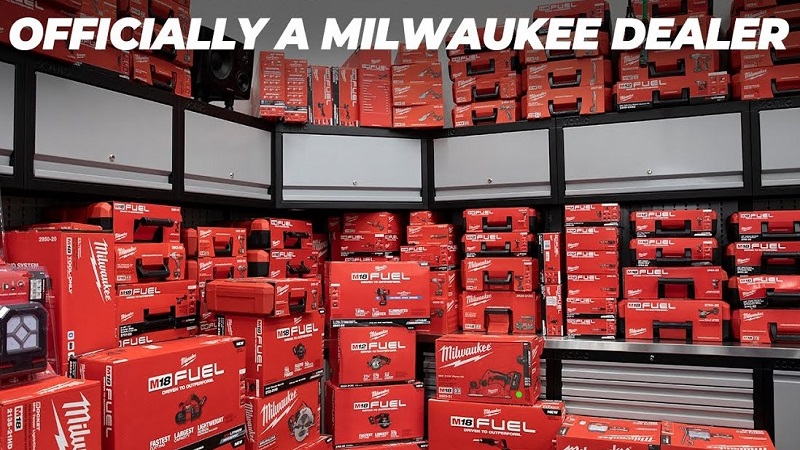
Milwaukee Tool stands as one of the most respected names in professional-grade power tools, trusted by contractors, builders, and serious DIYers across the country. Retailers who align with this powerhouse brand gain access to a loyal customer base, innovative products, and strong market demand.
A Milwaukee Tool dealership can elevate your store’s reputation, increase foot traffic, and strengthen long-term revenue potential. Success in this venture requires strategic planning, solid business credentials, and a clear understanding of distributor requirements.
Brand standards, inventory capacity, and customer service excellence all play critical roles in securing approval. Entrepreneurs who prepare thoroughly and present a compelling business case position themselves ahead of the competition.
This guide breaks down the essential steps, requirements, and insider tips that help ambitious retailers secure a Milwaukee Tool dealership and build a profitable partnership with an industry leader.
How to Become a Milwaukee Tool Dealer?
Many tool store owners want to add strong brands to their shelves. Milwaukee Tool stands as one of the most trusted names in power tools and jobsite equipment. Contractors, electricians, plumbers, and builders use this brand every day. Red tools. Heavy-duty design. Long battery life.
This guide explains in deep detail how to become a Milwaukee Tool dealer. Requirements. Costs. Approval steps. Profit factors. Risks. Clear and simple language.
About Milwaukee Tool and Its Market Position
Milwaukee Tool started in 1924 in the United States. The company focuses on professional users, not casual hobby buyers. Its main customers include:
-
Electricians
-
Plumbers
-
Construction workers
-
HVAC technicians
-
Industrial maintenance teams
The company sells:
-
Cordless power tools
-
Hand tools
-
Tool storage systems
-
Personal protective equipment
-
Jobsite lighting
-
Outdoor power equipment
Milwaukee leads strongly in cordless battery technology. The M12 and M18 battery systems create repeat customers. Many contractors stay loyal once they invest in one battery platform.
Strong brand loyalty increases repeat sales. Batteries and accessories bring ongoing income.
Step 1: Study Your Local Market
Before you apply, research your area.
Ask yourself:
-
How many hardware stores sell professional tools?
-
Do they already sell Milwaukee?
-
Which trades work in your region?
-
How many new buildings rise each year?
High construction growth means higher tool demand. Fast urban areas often show better sales numbers.
Check local competitors:
-
What brands do they carry?
-
What price range do they focus on?
-
Do they target contractors or DIY users?
Strong local research gives you a better chance of approval.
Step 2: Meet Business Requirements
Milwaukee does not accept informal sellers. The company wants serious retail partners.
Legal Business Registration
You must have:
-
Trade license
-
Business registration certificate
-
Tax identification number
-
Bank account under company name
Clean legal status shows stability.
Financial Strength
Milwaukee wants dealers who can handle inventory cost. Expect initial orders to reach several thousand dollars. Some regions may require $10,000 to $50,000 in starting inventory depending on store size and product range.
Strong cash flow matters. Tool business moves slower than small accessories. You must handle stock for several months.
Physical Store Standards
A physical showroom improves approval chances.
Store should have:
-
Clear product display
-
Proper lighting
-
Organized shelves
-
Secure storage area
Professional appearance builds brand trust.
Step 3: Prepare a Detailed Business Plan
Milwaukee sales managers often ask about your sales plan.
Include these details:
Target Customer Group
Focus on:
-
Construction companies
-
Independent contractors
-
Repair technicians
-
Government maintenance projects
Professional customers buy tools regularly. They also buy replacement batteries and blades.
Sales Forecast
Estimate:
-
Monthly tool sales
-
Battery sales
-
Accessory sales
Example:
Small city store may sell:
-
40–60 power tools per month
-
70–120 batteries
-
200+ accessories
Accessory sales often produce higher profit margin than large tools.
Marketing Plan
Explain how you will promote the brand:
-
Local contractor visits
-
Tool demo events
-
Social media posts
-
Paid local ads
-
Email promotions
Sales managers want active partners, not passive sellers.
Step 4: Submit Dealer Application
Visit the official Milwaukee Tool website. Find the dealer or distributor inquiry section. Fill the form carefully.
Provide:
-
Business name
-
Full address
-
Years of operation
-
Current brands you sell
-
Store size in square feet
-
Contact details
Clear and honest answers help.
After submission, a regional sales representative may contact you. That person may request more documents or store photos.
Step 5: Approval Review Process
Milwaukee reviews your application based on several factors:
Market Saturation
Too many dealers in one area reduces approval chances. The company protects existing dealers.
Sales Potential
High construction activity improves approval chances.
Store Presentation
Professional appearance matters. Clean layout shows serious business.
Financial Stability
The company prefers dealers who can maintain steady inventory. Approval may take two to six weeks.
Step 6: Understand Inventory Structure
Milwaukee dealership requires a balanced product mix.
Core Tools
These include:
-
Drill drivers
-
Impact drivers
-
Circular saws
-
Reciprocating saws
-
Grinders
Core tools attract contractors.
Battery Systems
M12 and M18 batteries drive repeat sales. Many professionals buy extra batteries every year. Battery margins often range from 20% to 35% depending on region.
Accessories
Blades, bits, saw blades, and safety gear create steady monthly revenue. Accessories may produce higher turnover than large power tools.
Step 7: Follow Brand and Pricing Rules
Milwaukee enforces MAP policy. MAP stands for Minimum Advertised Price.
Dealers must:
-
Respect price limits
-
Use approved marketing images
-
Maintain proper product display
Price violation can result in suspension. Brand consistency protects all dealers.
Step 8: Train Your Staff
Knowledge increases sales.
Sales staff must understand:
-
Battery compatibility
-
Brushless motor benefits
-
Tool warranty terms
-
Difference between M12 and M18 systems
Simple explanation builds customer trust.
Example:
Contractor asks about torque rating. Staff must answer clearly. Strong product knowledge increases closing rate.
Step 9: Manage Inventory Smartly
Tool inventory moves slower than small hardware items.
Smart management includes:
-
Tracking fast-selling models
-
Reordering popular batteries
-
Avoiding overstock on slow models
-
Monitoring seasonal demand
Construction tools sell more during dry season in many regions. Good stock control protects cash flow.
Step 10: Grow Long-Term Relationship
Strong performance improves future opportunities.
Milwaukee may offer:
-
Exclusive promotions
-
New product launches
-
Better product allocation
-
Marketing support
Consistent sales matter. Timely payments matter. Professional communication matters.
Risks to Consider
Every dealership carries risk.
High Initial Investment
Inventory cost ties up cash.
Competition
Other strong brands may compete in your region.
Price Control
MAP policy limits discount freedom.
Slow Market Periods
Construction slowdown reduces tool sales. Clear planning reduces these risks.
Profit Expectations
Gross margin for power tools often ranges between 15% and 30%, depending on product type and region.
Accessories may reach higher margins.
Profit improves with:
-
Strong repeat contractor base
-
Battery platform loyalty
-
Good inventory rotation
Stable monthly revenue depends on customer relationships.
FAQs
Does Milwaukee require a minimum order?
Yes. Most regions require a minimum opening order. Amount varies by country and store size.
Can a small hardware store get approval?
Yes, but store must show professional setup and growth potential.
Do dealers receive marketing support?
Milwaukee may provide banners, display racks, and promotional materials depending on region.
How important are battery sales?
Battery sales create repeat income. Many contractors buy extra batteries each year.
Can dealership get canceled?
Yes. Breaking pricing rules or failing to meet standards can lead to termination.
Conclusion
Milwaukee Tool dealership offers strong brand recognition and repeat sales potential. Serious planning improves success rate. Financial strength helps with inventory pressure. Clear marketing plan builds steady demand.
Research your local market carefully. Prepare documents properly. Build strong contractor relationships after approval. Long-term focus creates steady growth in the professional tool market.