
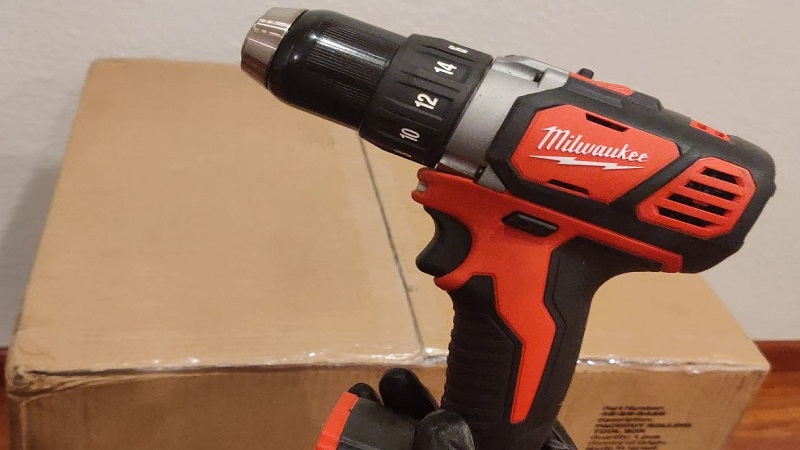
Milwaukee drills dominate job sites across the world because contractors trust their power, durability, and smart battery systems. Price often raises the first question for buyers who plan a tool upgrade or a new workshop setup.
Milwaukee sells several drill models that range from compact drivers to heavy duty hammer drills that tackle concrete and steel. Each series carries different power levels, battery sizes, and features that push prices up or down.
Entry level options cost far less than flagship M18 Fuel models with premium performance. Smart shoppers study specs, torque ratings, and kit contents before they decide a fair budget. A clear price guide saves time and prevents surprise costs at the checkout page.
This quick guide breaks down typical Milwaukee drill prices and explains what buyers receive at each tier. Real examples, current ranges, and value tips help every buyer pick the right drill without regret today easily.
How Much Is a Milwaukee Drill?
Many people search for a simple answer before buying a power tool. How much is a Milwaukee drill? Price changes based on power, battery system, motor type, and accessories included in the package. Small home drills cost less. Professional construction drills cost much more.
Drills from Milwaukee Tool appear in workshops, construction sites, garages, and homes across many countries. Many contractors choose this brand because the tools deliver strong torque, durable gear systems, and long battery life.
A Milwaukee drill usually costs $90 to $450. Some professional kits cost $500 to $700 if the package includes several batteries and tools.
This guide explains Milwaukee drill pricing in detail. You will learn about drill categories, battery platforms, features, power ratings, and real price ranges.
Average Milwaukee Drill Price
Milwaukee drills fall into three general price levels. Each level targets different users.
Entry Level Drills
Average price: $90 – $180
These drills usually belong to the M12 series. The M12 system uses 12-volt batteries and focuses on compact tools.
Typical features include:
-
lightweight body
-
compact battery pack
-
moderate drilling power
-
smaller motor size
Typical torque range: 250 to 350 inch-pounds
Common uses:
-
drilling wood
-
installing shelves
-
furniture assembly
-
small home repair
Homeowners often choose this category because the tools remain easy to control and affordable.
Mid-Range Drills
Average price: $180 – $320. Most mid-range drills belong to the M18 platform. These tools run on 18-volt batteries and deliver higher power than M12 tools.
Typical torque range: 400 to 700 inch-pounds
These drills can handle:
-
thicker wood drilling
-
metal drilling
-
large screws and lag bolts
-
light masonry work
Many serious DIY users buy drills in this category because they balance price and power.
Professional Heavy Duty Drills
Average price: $320 – $450. Professional drills usually come from the FUEL series, which represents the most advanced cordless tools from Milwaukee.
Typical torque range: 1,000 to 1,400 inch-pounds
Professional models include:
-
brushless motors
-
advanced electronic protection
-
stronger gear systems
-
higher speed performance
Construction workers often rely on these tools for daily heavy work.
Milwaukee Battery Platforms
Battery systems play a major role in drill price and performance.
M12 Battery System
Voltage: 12V
This platform focuses on compact tools.
Typical benefits:
-
small size
-
lighter weight
-
easy handling
-
good for tight spaces
Average drill weight: 2 to 3 pounds. Average price of M12 drill kits: $100 to $180. Electricians and home users often prefer these tools for small projects.
M18 Battery System
Voltage: 18V
The M18 platform delivers stronger performance.
Typical benefits include:
-
higher torque
-
longer runtime
-
more tool compatibility
Average drill weight: 3.5 to 5 pounds
Average price of M18 drill kits: $180 to $400
Professional users often choose this platform because the same battery can power many tools such as saws, grinders, and impact drivers.
Drill Driver vs Hammer Drill
Two common Milwaukee drill types exist. Price depends on which one a buyer chooses.
Drill Driver
A drill driver performs standard drilling and screw driving tasks.
Common tasks:
-
drilling wood
-
drilling plastic
-
driving screws
-
assembling furniture
Average speed range: 0 to 1,700 RPM
Typical price: $90 to $250
Most homeowners use drill drivers for everyday projects.
Hammer Drill
A hammer drill adds a rapid forward hammer motion while rotating.
This feature helps drill into hard materials such as:
-
concrete
-
brick
-
stone
Typical hammer rate: 20,000 to 32,000 blows per minute
Typical price: $180 to $350
Contractors often need hammer drills for masonry work.
Brushless vs Brushed Motor
Motor technology greatly affects drill performance and price.
Brushed Motor
Older drill models use brushed motors.
Characteristics:
-
simple design
-
lower cost
-
more friction inside the motor
These drills often cost $40 to $80 less. Brushes wear out over time and may need replacement.
Brushless Motor
Most modern Milwaukee drills use brushless motors.
Benefits include:
-
less internal friction
-
longer motor life
-
higher torque output
-
better battery efficiency
Brushless drills often run 30% to 40% longer on the same battery. These models usually cost more but last longer.
Battery Capacity and Runtime
Battery size affects runtime and price.
Capacity uses amp-hours (Ah).
Common battery sizes include:
| Battery Size | Typical Runtime | Price Effect |
|---|---|---|
| 2.0Ah | Short runtime | lowest price |
| 3.0Ah | moderate runtime | slightly higher |
| 5.0Ah | long runtime | higher cost |
| 8.0Ah | extra long runtime | highest price |
Large batteries increase drill kit cost by $50 to $120.
Professionals often choose larger batteries because they allow longer work periods without charging.
Speed and Gear Settings
Many Milwaukee drills include two or three speed settings.
Typical gear ranges:
Gear 1
Speed: 0 – 500 RPM
Purpose: heavy drilling and large screws
Gear 2
Speed: 0 – 1,700 RPM
Purpose: fast drilling
Some advanced models reach 2,000 RPM.
Higher speed improves drilling efficiency in softer materials.
Build Quality and Materials
Milwaukee drills cost more partly because of stronger construction.
Common build features include:
- Metal gear housing
- Reinforced nylon casing
- Heavy-duty chuck
- Rubber grip handle
These materials improve durability during heavy work. A strong gear system also helps the drill handle high torque without damage.
Tool Only vs Kit Price Difference
Two buying options appear in most stores.
Tool Only
Includes:
-
drill only
Price range: $90 to $200
Batteries and charger must be purchased separately. Professionals often choose this option.
Full Drill Kit
Includes:
-
drill
-
one or two batteries
-
charger
-
storage bag or case
Price range: $180 to $400. New users usually buy kits because everything comes together.
Combo Kits with Multiple Tools
Many buyers purchase combo kits instead of a single drill. Common combo packages include:
Two Tool Kit
Typical contents:
-
drill driver
-
impact driver
-
two batteries
-
charger
Average price: $300 to $450
Four Tool Kit
Typical contents:
-
drill
-
impact driver
-
circular saw
-
work light or grinder
Average price: $450 to $700. These kits reduce the average price per tool.
Factors That Change Drill Prices
Several factors affect Milwaukee drill cost.
Motor power
Higher torque increases price.
Battery size
Large batteries raise kit cost.
Accessories
Extra batteries or tool bags increase price.
Technology
Electronic protection systems increase manufacturing cost.
Market demand
New models often cost more during the first year after release.
Typical Milwaukee Drill Price Examples
Realistic average prices for common models:
Compact M12 drill kit: $110 – $160
M18 compact drill kit: $170 – $230
M18 hammer drill kit: $220 – $320
M18 FUEL professional drill kit: $300 – $420
Large professional combo kit: $450 – $700
Prices change based on store promotions and seasonal discounts.
Tips Before Buying a Milwaukee Drill
Smart buyers consider several details.
Match the drill to the job
Small repairs need only a compact drill.
Heavy construction requires stronger torque.
Check battery compatibility
Users who plan to buy other Milwaukee tools should select a battery platform first.
Compare torque ratings
Higher torque allows easier drilling through hard materials.
Review included accessories
Extra batteries increase the value of the kit.
FAQs
How much is a Milwaukee drill on average?
Most Milwaukee drills cost between $100 and $400 depending on power, battery system, and included accessories.
Why do Milwaukee drills cost more than many other brands?
Higher build quality, stronger motors, and advanced battery technology increase the price.
Which Milwaukee drill works best for home use?
Many homeowners prefer compact M12 drill drivers because they remain lightweight and affordable.
How long does a Milwaukee drill battery last?
Runtime depends on battery size. A 5.0Ah battery can run two to three times longer than a 2.0Ah battery.
How long can a Milwaukee drill last?
Proper care can help a Milwaukee drill last 5 to 10 years or longer.
Conclusion
Milwaukee drills fall into a wide price range. Entry-level models start near $90. Mid-range tools cost about $200. Professional heavy-duty drills can reach $400 or more. Battery size, motor technology, torque rating, and accessories all affect the final price.
Buyers who need a simple home drill can choose a compact model at a lower cost. Contractors often invest in stronger professional tools because they deliver higher torque and longer service life. Careful comparison of features, battery systems, and kit contents helps buyers select the right Milwaukee drill for their needs.