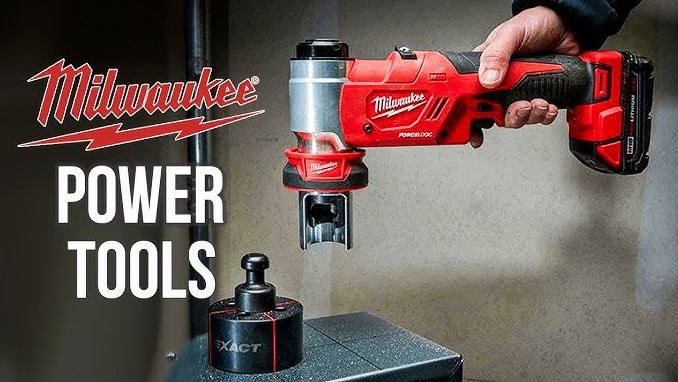
Milwaukee power tools have built a strong name in job sites and home workshops across the country. Many contractors trust the red tools for tough daily tasks. DIY users also talk about their solid build and long battery life.
That raises a simple question: are Milwaukee power tools good for your money? This guide breaks down performance, durability, battery strength, and real user feedback.
You will learn how Milwaukee tools handle heavy-duty work and why many pros stick with the brand for years. The company focuses on high torque, smart features, and rugged design.
Prices often sit higher than entry-level brands, so value matters. Clear facts help you decide if these tools match your needs. By the end, you will know if Milwaukee deserves a spot in your toolbox.
Are Milwaukee Power Tools Good?
Milwaukee power tools have a strong reputation in the tool world. Many workers choose them for tough jobs. Home users also pick Milwaukee tools for big projects. People often ask a simple question.
Are Milwaukee power tools good? This article gives clear answers. You will learn about quality, power, battery systems, cost, and real use. The writing is easy to read and action-oriented. No hype. Just plain facts.
Who Makes Milwaukee Tools?
Milwaukee Tool started in the United States in 1924. Workers needed strong tools for heavy work. Milwaukee grew by solving hard problems on job sites. Today the company sells tools in many countries. The focus stays the same: build tools that last long and work hard.
Milwaukee focuses on pro grade tools. This means tools are meant to stand up to daily use by tradespeople. People in construction, electrical, plumbing, metal work, and automotive work use these tools every day.
Tool Build Quality
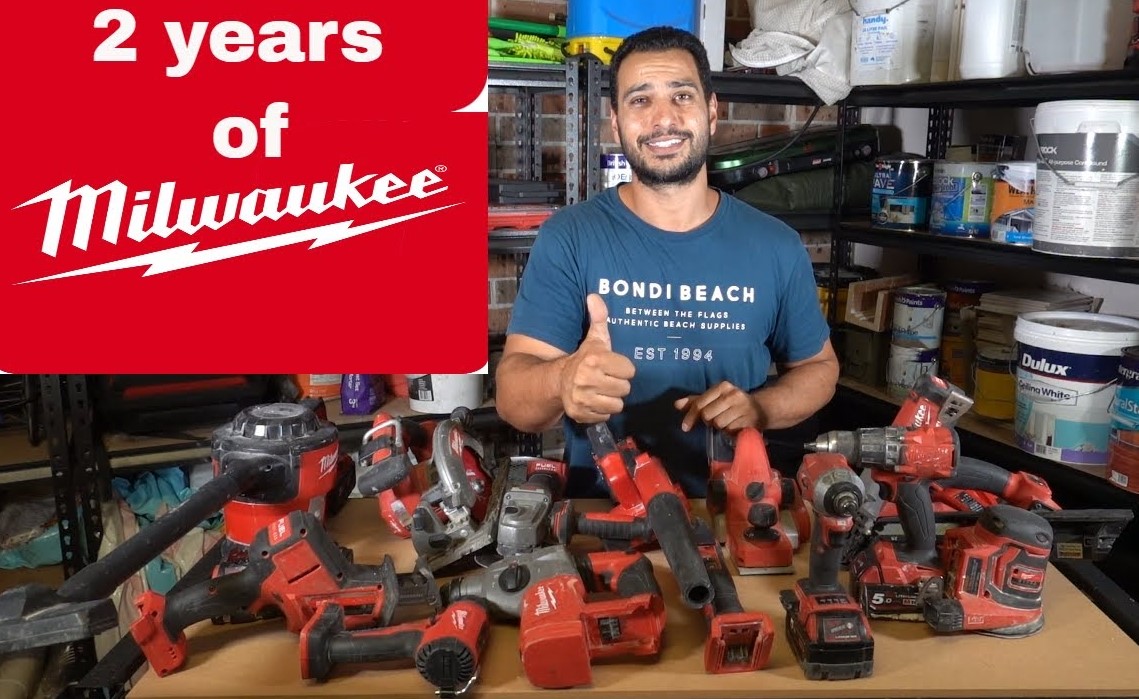
Build quality means how well the tool is made. Milwaukee tools feel strong in hand. Cases use thick plastic and metal parts. Many tools have metal gear housing. Metal gears run longer and take more force without breaking.
Rubber parts help too. They protect tools from drops and give a good grip. A tool that slips can be unsafe. Rubber grips reduce slips.
Parts line up well inside the tool. This means less vibration and longer life. Cheap tools often feel shaky. Milwaukee tools feel solid.
Power and Motor Design
Milwaukee uses two main motor types:
-
Brushed motors
-
Brushless motors
Brushless motors are newer. They run cooler and use battery power more efficiently. Many Milwaukee tools use brushless motors now. These motors make tools strong without wasting battery power.
Power is measured in torque and speed.
Torque is force that turns the tool.
Speed is how fast the tool spins.
High torque helps drive large screws or cut thick wood. High speed helps drilling fast holes.
Example numbers (typical range):
-
Cordless drill torque: 300 to 1400 inch-pounds
-
Impact driver torque: 1,200 to 2,000 inch-pounds
-
Reciprocating saw speed: 0 to 3,000 strokes per minute
-
Circular saw speed: 4,000 to 5,000 RPM
These ranges show strong performance compared to many other brands at the same price.
Battery Systems
Battery power changed the tool world. No cord. More mobility. Milwaukee has two main systems:
M12 System
-
12 volts
-
Small and lightweight
-
Good for tight spaces
-
Quick jobs and light work
M12 batteries weigh less. This makes tools easier to hold for long periods. Electricians like this system for overhead work.
M18 System
-
18 volts
-
More power for heavy tasks
-
Wide range of tools
M18 is heavy duty. Professionals choose M18 for big jobs like drilling large holes or cutting thick wood. The system has more than 200 tools. You can use the same battery on drill, saw, planer, grinder, and outdoor tools.
Battery Technology
Milwaukee uses REDLITHIUM battery tech. This means longer life and better heat management.
Battery performance has three parts:
-
Capacity (amp-hours)
-
Voltage
-
Discharge rate (how fast it gives power)
Example battery sizes:
-
2.0 Ah (light work)
-
4.0 Ah (balanced power and runtime)
-
5.0+ Ah (long runtime for heavy use)
Higher amp-hours mean longer runtime. Heavy tools like saws use high amp-hour batteries.
Good heat control matters. Too much heat kills battery life. REDLITHIUM batteries run cooler than basic types.
Tool Range and Compatibility
Milwaukee offers a huge tool range. You can find almost any tool you need:
-
Drills and drivers
-
Impact wrenches
-
Saws (circular, jigsaws, reciprocating)
-
Sanders and grinders
-
Heat guns and lighting
-
Specialty trade tools (plumbing, electrical)
Battery compatibility matters. One battery works across tools in the same series. This saves money over time. No need to buy new batteries for each tool.
Price and Value
Price is a common worry. Milwaukee tools cost more than basic brands. Price reflects quality and design. Tools are built for years of use.
Let’s compare price ideas (typical US market prices):
-
Basic drill (entry level brand): 30 to 80 USD
-
Milwaukee drill: 100 to 250 USD
-
Combo kit (drill + driver + batteries): 250 to 600 USD
-
Heavy tools (saws, grinders): 150 to 450 USD
Battery kits add cost. Batteries cost more than individual tools sometimes.
Value comes from long life. A tool that lasts 10 years can cost less than buying cheap tools every 2 years.
Warranty and Support
Milwaukee offers solid warranty terms:
-
Most tools: 5 years
-
Batteries: 2 to 3 years
-
Chargers: 2 years
Warranty covers defects in material and workmanship. Normal wear and tear or misuse may not be covered.
Service centers exist in many regions. Parts are easier to find than many other brands.
Real-World Use
Professionals share common opinions:
-
Tools stay strong after daily use.
-
Batteries last multiple months on big jobs.
-
Brushless motors feel more efficient and cooler.
-
Many tools balance power and comfort.
A pro survey shows many users choose Milwaukee for:
-
Reliability
-
Power
-
Battery ecosystem
DIY users may not need the full pro system. For occasional use, mid-range tools may work fine at lower cost.
Pros and Cons
Pros
-
Strong build and long life
-
High power output
-
Wide tool selection
-
Good battery performance
-
Long warranty
-
Large service network
Cons
-
Higher upfront cost
-
Batteries add expense
-
Heavyweight on some tools
FAQs
Are Milwaukee tools better than other brands?
Many users find Milwaukee tools equal or stronger than peer brands. Long battery life and build quality often lead to this view.
Do Milwaukee batteries last long?
Yes. REDLITHIUM batteries hold charge well. They deliver power evenly until drained.
Are Milwaukee tools good for beginners?
Beginners can use them with ease. Cost still runs high for occasional use.
Do professionals use Milwaukee tools?
Yes. Many professional tradespeople depend on them daily.
Are Milwaukee tools worth the money?
For regular, heavy tasks and pro jobs, yes. For light projects, cheaper brands may suffice.
Conclusion
Milwaukee power tools deliver strong build quality, reliable power, and long battery life. The brand suits professionals and serious users. Cost runs higher than basic brands, but many find value over time.
You gain a large tool ecosystem and long warranty support. Milwaukee tools stand strong for tough jobs. Good choice for heavy use. Simple choice for peace of mind.