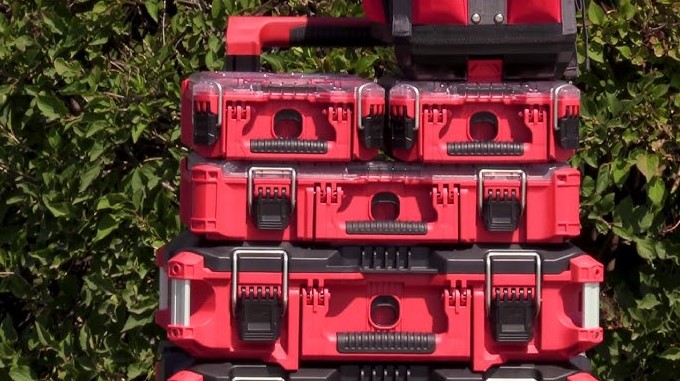
Milwaukee Packouts have earned a reputation for being tough, versatile, and perfect for carrying tools on the job. Tradespeople often rely on these modular storage systems for convenience and durability.
A common question arises: can they handle wet conditions, rain, or accidental spills without damaging the contents inside? Understanding the water resistance of Milwaukee Packouts can save money and prevent frustration on work sites.
These storage units feature heavy-duty latches, strong seals, and durable materials designed to protect tools from dust and light moisture. Certain models provide a higher level of water resistance, offering peace of mind during outdoor projects or rainy days.
Knowing the limitations and strengths of each Packout can help professionals plan storage and transportation of sensitive tools effectively. This guide explores their waterproof capabilities, giving clear insights for anyone considering them for everyday use.
Are Milwaukee Packouts Waterproof?
Many workers, DIY users, and tool lovers choose Milwaukee Packout storage. One big question is “Are Milwaukee Packouts waterproof?”
This article explains the water resistance, materials, design, and real use situations. You will learn how these boxes protect tools from water and what limits they have.
What Are Milwaukee Packouts?
Milwaukee Packout is a system of storage boxes. Each box holds tools or parts. The boxes fit together in stacks. This makes moving and organizing tools easier.
The Packout system includes:
-
Tool boxes
-
Drawer units
-
Organizers with small parts bins
-
Tool bags and totes
All parts lock together. This means you can carry more than one box in one move.
How Do Packouts Fight Water?
Water can damage tools. Rust and corrosion may form. Milwaukee knows this. So they build Packouts to keep water out. But the level of protection varies.
Material Strength
Packouts use strong plastic called high‑impact polymer. This plastic:
-
Does not absorb water
-
Does not crack easily
-
Stands up to pressure and drops
This makes the walls and top hard for water to pass through.
Rubber Seals
Most Packout lids have a rubber gasket inside the edge of the lid. This seal:
-
Presses against the box edge
-
Blocks water from entering
-
Works like a gasket on a water bottle lid
The seal is tighter when closed correctly.
Better Latches
Packouts use metal‑reinforced latches. These latches:
-
Pull the lid down tight
-
Hold the seal in place
-
Prevent gaps where water could enter
Strong latches matter when boxes are stacked and moved.
Water Resistance Explained
Packouts are water‑resistant, not waterproof.
Water‑resistant means:
-
Light rain won’t enter easily
-
Splashes are stopped
-
Dust and dirt are blocked
Waterproof means:
-
No water enters even in heavy rain
-
No water enters even under water
Packouts are not fully waterproof. This means:
Safe Conditions
-
Light rain
-
Mist or fog
-
Dew on tools
-
Small splashes from a wet floor
Not Safe Conditions
-
Full rainstorm for hours
-
Boxes placed in standing water
-
Flooded areas
-
Complete submersion under water
Real World Water Test
People test Packouts in real conditions:
Rain Test
A Packout left in rain for 2+ hours:
-
No water inside
-
Tools stayed dry
if the lid was closed and sealed
Splash Test
Water splashed from wet ground:
-
Spray from bottom edges
-
Rubber seal blocked most water
Submersion Test
Box placed half under water:
-
Water gradually seeped inside
-
Especially around edges and latches
These tests show Packouts work well in wet jobs but not under deep water.
Why Packouts Are Not Fully Waterproof?
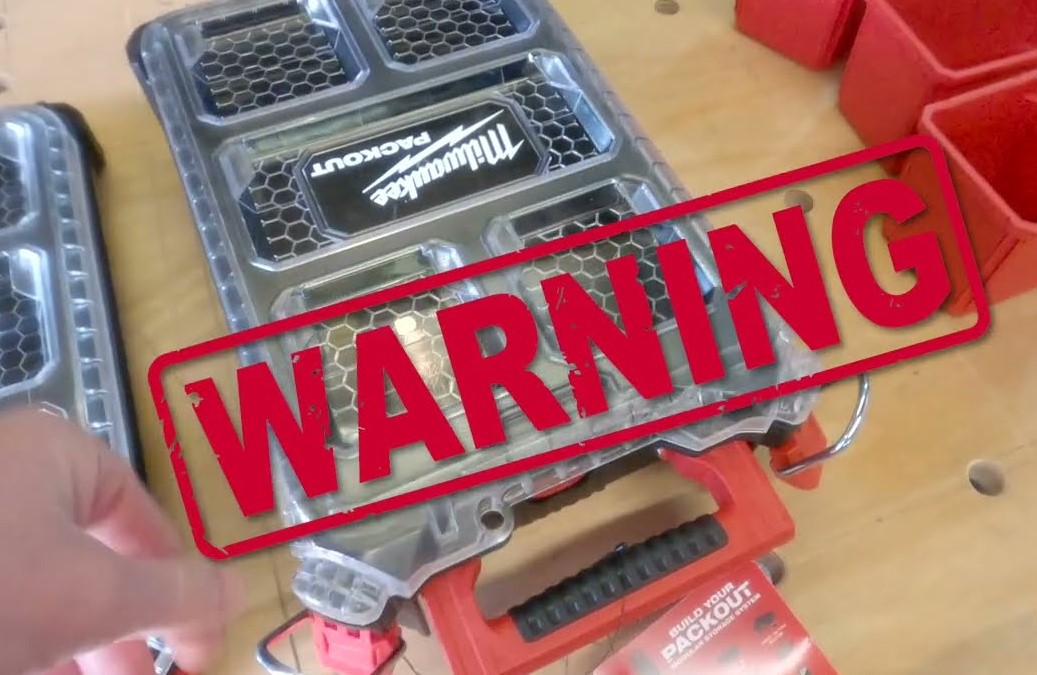
A few reasons Packouts are water‑resistant rather than waterproof:
Seals Are Not Perfect
Rubber gaskets help block water. Still:
-
Seals wear out over time
-
Dirt in the gasket can create tiny gaps
-
Extreme pressure may bend the seal
This reduces protection.
Locking Points and Hinges
Water may enter at:
-
Hinge areas
-
Between latch and box edges
-
Around small cutouts or handle holes
These tiny openings let water in when submerged.
How to Improve Water Protection?
Even if Packouts are not fully waterproof, you can boost protection.
Add a Waterproof Bag Inside
Put tools in a waterproof bag first. Then place the bag in the Packout. This gives two layers of protection.
Store Off the Ground
Raise boxes on wood blocks or shelves. Water on the floor cannot reach the bottom if raised.
Clean the Seals Often
Take out dirt, dust, and grit from the rubber gasket. A clean gasket seals better.
Close Latches Firmly
Always push latches until they click. This ensures proper seal pressure.
Best Uses for Milwaukee Packouts
Milwaukee Packouts do well in many places:
-
Garage work
-
Construction sites
-
Backyard projects
-
Tool transport between locations
-
Rainy climates (light rain)
They may not suit:
-
Boats or marine jobs
-
Outdoor jobs in heavy rain
-
Jobs where boxes will sit in deep water
Long‑Term Use and Durability
Packouts can last years if cared for. Here are some key points:
-
Plastic does not rot like wood
-
Rubber seals may shrink over time
-
Metal parts resist rust, but still need drying
-
Regular cleaning saves wear and tear
Users report Packouts working for many seasons outdoors with light rain.
FAQs
1. Can Milwaukee Packouts get wet?
Yes. They handle light rain and splashes. They are water‑resistant.
2. Will water enter if the box gets soaked?
Water can enter if the box stays in heavy rain or is submerged.
3. Are Packouts safe for electronics?
Only with extra protection. Use waterproof bags for electronics.
4. Do Packouts lose seal quality over time?
Yes. Rubber gaskets wear down. Clean them often to keep them tight.
5. Can I use them on a job site in rain?
Yes for light rain. Avoid heavy downpour and standing water.
Final Summary
Milwaukee Packouts are strong and water‑resistant. The design keeps most water out in everyday wet conditions. They are not fully waterproof against heavy rain or submersion.
Good care, clean seals, and extra bags help tools stay dry. For most tasks, Packouts give solid protection from water, dust, and dirt.