Milwaukee wrenches have earned a reputation for strength, precision, and long-lasting performance. Craftsmen, DIY enthusiasts, and professionals across the world rely on these tools for tough jobs. Many users wonder about the origins of Milwaukee wrenches and what makes them so reliable.
These tools carry a legacy of American engineering while blending modern manufacturing techniques. Their design focuses on durability, comfort, and efficiency, allowing users to work longer without fatigue. Understanding where Milwaukee wrenches come from gives insight into the company’s dedication to quality.
Every wrench goes through strict production standards, ensuring each piece meets professional expectations. The combination of advanced machinery, skilled technicians, and high-grade materials defines the excellence behind the brand.
For anyone curious about the story behind this iconic tool, knowing its production roots adds appreciation for its reliability and performance in both professional workshops and home garages alike.
Where are Milwaukee Wrenches Made?
Milwaukee wrenches are famous for strength, long life, and reliability. Many mechanics, engineers, and home users trust these tools.
Knowing where Milwaukee wrenches are made helps buyers understand quality, safety, and durability. Some tools are made in the United States, while others are made overseas.
This article explains exactly where Milwaukee wrenches are made, what materials are used, and why they stay popular among professionals.
History of Milwaukee Tools
Milwaukee Tool began in 1924 in Milwaukee, Wisconsin. The first product was a heavy-duty hand tool for professionals. Over time, the company grew into a global brand.
Today, Milwaukee produces:
-
Hand tools (wrenches, pliers, hammers)
-
Power tools (drills, saws, grinders)
-
Accessories (batteries, toolboxes, drill bits)
The company focuses on making tools that last long, work well, and handle tough jobs. Wrenches are a key product in their line.
Types of Milwaukee Wrenches
Milwaukee makes different wrenches for different jobs. Each type has its own design, purpose, and construction.
1. Adjustable Wrenches
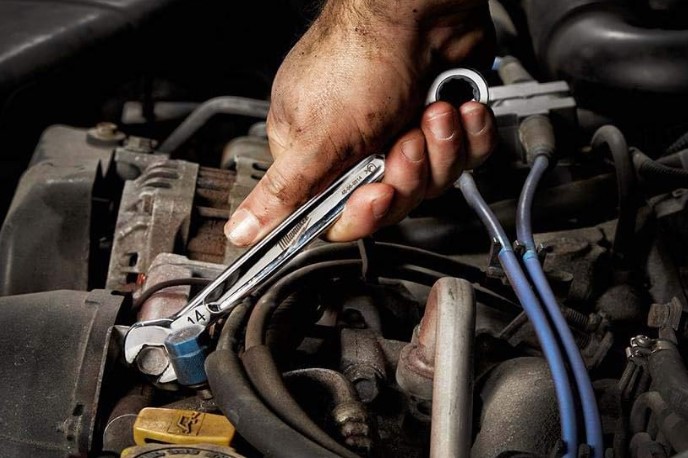
These wrenches have a sliding jaw to fit many bolt sizes. They are strong, versatile, and useful for general work.
2. Combination Wrenches
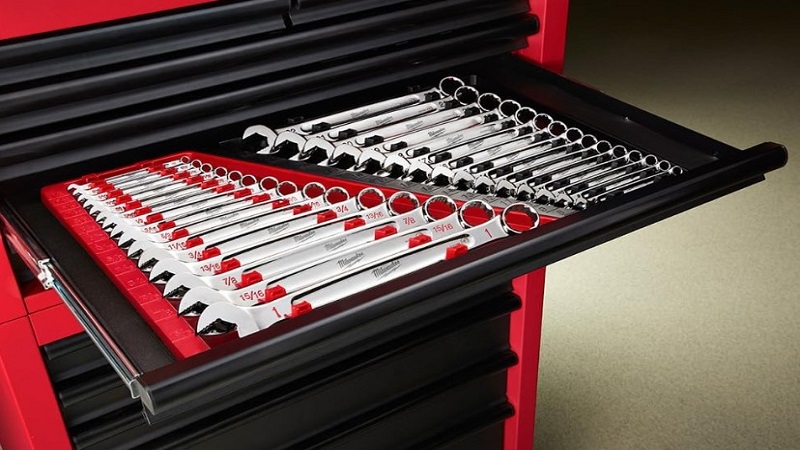
One end is open, and the other is a closed ring. They are made from a single piece of steel for strength.
3. Ratcheting Wrenches
These wrenches make work faster. The ratcheting mechanism allows turning a bolt without lifting the wrench.
4. Pipe Wrenches
Used for plumbing, these wrenches have a strong grip. They can tighten or loosen pipes with heavy torque.
Manufacturing Locations
United States
-
Milwaukee still manufactures some wrenches in the USA.
-
Factories are mainly in Wisconsin and other US states.
-
Made-in-USA wrenches are often professional-grade, heavy-duty tools.
Overseas
-
Many Milwaukee wrenches are made in China and Taiwan.
-
Factories overseas follow strict instructions from Milwaukee.
-
These factories maintain quality, strength, and safety standards.
Materials and Construction
Milwaukee wrenches use strong metals to last long and resist damage.
-
Chrome Vanadium Steel: Common for adjustable and combination wrenches. Strong and resists rust.
-
Chrome Molybdenum Steel: Used in heavy-duty tools like pipe wrenches. Very tough and durable.
-
Finish: Wrenches have a polished or coated finish to prevent corrosion.
Construction Details
-
Adjustable wrenches: Smooth jaws with precise sliding mechanisms.
-
Combination wrenches: Solid steel, one-piece construction for strength.
-
Ratcheting wrenches: Mechanism tested for thousands of turns without failing.
-
Pipe wrenches: Jaws hardened to grip metal pipes securely.
Quality Control
Every Milwaukee wrench goes through strict quality checks.
-
Raw Materials Test: Steel is checked for strength and flexibility.
-
Production Test: Factories check size, shape, and smooth operation.
-
Final Inspection: Wrenches are tested for rust resistance, torque, and durability.
Even overseas-made tools meet these same standards. Milwaukee uses high-precision tools and experienced workers to maintain consistency.
How to Identify Where a Wrench Is Made?
-
Look for “Made in USA” on the wrench or packaging.
-
Some tools have a small country label stamped on them.
-
Made-in-USA wrenches often cost more but offer professional reliability.
Advantages of Milwaukee Wrenches
-
Long-lasting strength and durability.
-
Smooth finish for easy grip and comfort.
-
Strict quality checks to ensure safety.
-
Wide variety to fit different jobs.
-
Trusted by professionals and home users alike.
Extra Information: How Milwaukee Maintains Quality Abroad
-
Overseas factories follow exact blueprints from Milwaukee.
-
Employees are trained to maintain the same standards as US factories.
-
Every batch is sampled and tested before shipping.
-
Milwaukee occasionally visits these factories for inspections.
Final Thoughts
Milwaukee wrenches are made in both the United States and trusted overseas factories. Strong materials, strict quality checks, and careful construction make them reliable tools.
Understanding the origin of a wrench helps buyers choose the right tool for their needs. Made-in-USA wrenches are professional-grade, while overseas-made wrenches maintain the same high quality at a lower cost.
FAQs
1. Are all Milwaukee wrenches made in the USA?
No. Some are made in the USA, while others are made in China or Taiwan.
2. Do overseas-made Milwaukee wrenches have good quality?
Yes. They follow the same strict standards as US-made wrenches.
3. How can I tell if a wrench is made in the USA?
Check for a “Made in USA” stamp or label on the tool or packaging.
4. What metals are used in Milwaukee wrenches?
Chrome vanadium steel and chrome molybdenum steel are commonly used.
5. Are Milwaukee wrenches suitable for professional work?
Yes. Both USA-made and overseas-made wrenches are strong, durable, and tested for professional use.