
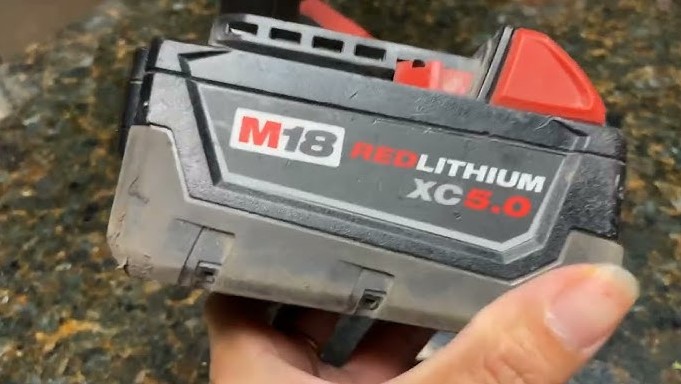
Power tool users often ask a simple question: are Milwaukee batteries lithium? Milwaukee designs modern batteries with advanced lithium-ion technology that delivers strong, steady energy for demanding tools.
The company focuses on power density, long runtime, and fast charging to support heavy daily work. Contractors, DIY builders, and mechanics rely on these batteries for drills, saws, and impact drivers. Lithium-ion cells store more energy than older battery types and reduce weight inside each pack.
Smart electronics inside the pack monitor heat, voltage, and load during every job. This control system protects the battery and helps tools deliver consistent performance. Milwaukee also builds battery platforms such as M12 and M18 for different tool sizes.
Many buyers want clear facts before they invest in extra battery packs. This guide explains the battery technology, benefits, and key details every Milwaukee user should know.
Are Milwaukee Batteries Lithium?
Power tools need strong and stable batteries. Many workers and DIY users ask a simple question: Are Milwaukee batteries lithium? The short answer is yes for most modern models. Milwaukee uses lithium-ion battery technology in the majority of its cordless tool systems.
Lithium batteries give tools longer run time, fast charging, and steady power. Old battery types such as nickel-cadmium once powered many cordless tools. Modern lithium batteries now dominate the market because they work better and last longer.
Milwaukee built its cordless systems around lithium technology. Popular tool lines such as M12 and M18 use lithium-ion battery packs. These packs support drills, saws, impact drivers, lights, and many other tools.
This guide explains what Milwaukee batteries are made of, how lithium batteries work, and why many professionals prefer them.
What Type of Batteries Does Milwaukee Use?
Most modern Milwaukee cordless tools use lithium-ion batteries. These batteries store energy in lithium compounds. The design allows strong power output and efficient energy use.
Milwaukee produces several battery systems. Each system uses lithium-ion cells inside the battery pack.
Common Milwaukee battery platforms include:
-
M12 batteries – compact lithium-ion packs for smaller tools
-
M18 batteries – high power lithium-ion packs for heavy tools
-
MX FUEL batteries – large lithium batteries for industrial equipment
Each pack uses lithium cells along with electronics that control power flow and temperature.
What Is a Lithium-Ion Battery?
A lithium-ion battery stores energy through chemical reactions that involve lithium ions. These ions move between two internal layers during charging and use.
The main parts of a lithium-ion battery include:
-
Cathode – the positive side of the battery
-
Anode – the negative side
-
Electrolyte – liquid or gel that allows ion movement
-
Separator – thin layer that keeps the electrodes apart
Energy moves through the battery when lithium ions travel between the anode and cathode. This movement creates electric power for tools.
Lithium batteries deliver high energy in a small size. That feature makes them ideal for portable tools.
Why Milwaukee Uses Lithium Batteries
Lithium batteries offer several advantages over older battery types. Milwaukee designs its tools around these benefits.
Longer Run Time
Lithium-ion batteries store more energy than older batteries. A single charge powers tools for a longer period. Workers complete more tasks before charging again.
Lighter Weight
Lithium batteries weigh less than nickel-cadmium batteries. Light tools reduce arm fatigue during long work sessions. Comfort improves. Control improves as well.
Fast Charging
Lithium batteries recharge faster than older battery types. Many Milwaukee chargers refill packs within one hour. Short charge times help workers stay productive.
Strong and Stable Power
Lithium batteries deliver steady voltage. Tools maintain strong performance from the start of the job to the end of the charge. Power does not drop quickly during use.
Milwaukee REDLITHIUM Battery Technology
Milwaukee developed REDLITHIUM battery technology to improve lithium battery performance.
This system includes several design features:
-
Advanced lithium cells
-
Smart battery electronics
-
Strong battery casing
-
Heat protection
These features protect the battery and increase tool performance.
Built-In Electronics
Milwaukee batteries contain internal circuit boards. These boards monitor heat, power draw, and charging speed. The system protects the battery from damage.
Overload Protection
Heavy tools place high demand on batteries. Milwaukee electronics stop the battery if overload occurs. This feature helps extend battery life.
Temperature Control
High heat can damage lithium batteries. Milwaukee packs monitor temperature and adjust power if needed. Safety improves with this system.
Milwaukee M12 vs M18 Batteries
Milwaukee offers two popular battery platforms. Both use lithium-ion technology but serve different power needs.
M12 Battery System
M12 batteries power compact tools. Electricians, mechanics, and service technicians often use this system.
Key points:
-
Smaller battery size
-
Lightweight design
-
Good for tight work areas
-
Lower power than M18
These tools work well for light and medium jobs.
M18 Battery System
M18 batteries power larger and stronger tools. Construction workers and contractors often choose this platform.
Key points:
-
Higher power output
-
Longer run time
-
Supports heavy duty tools
-
Larger battery capacity
M18 batteries handle demanding jobs like drilling concrete or cutting thick wood.
Battery Capacity and Amp Hours
Battery capacity measures how much energy a battery can store. Amp hours, often written as Ah, show this value.
Milwaukee batteries come in several sizes:
-
2.0 Ah
-
3.0 Ah
-
5.0 Ah
-
6.0 Ah
-
8.0 Ah
-
12.0 Ah
Higher amp hour ratings provide longer run time. Large batteries support heavy tools for extended work. Smaller batteries reduce weight and improve balance.
Lithium vs Older Battery Types
Older cordless tools used nickel-cadmium (NiCd) or nickel-metal hydride (NiMH) batteries.
Lithium batteries improved many areas.
Key Differences
Weight
-
Lithium batteries weigh less.
Power
-
Lithium batteries provide stronger power output.
Charging
-
Lithium batteries charge faster.
Memory Effect
-
Nickel batteries lose capacity after partial charging.
-
Lithium batteries do not suffer from strong memory effect.
These advantages helped lithium batteries replace older battery types in modern tools.
How Long Do Milwaukee Lithium Batteries Last?
Battery lifespan depends on use habits, storage conditions, and charging cycles. Typical lifespan ranges between 3 to 5 years with normal use.
Several factors affect battery life:
-
Frequent deep discharge
-
Extreme heat exposure
-
Poor storage conditions
-
Heavy power draw from large tools
Proper care helps batteries last longer.
Tips to Extend Milwaukee Battery Life
Store Batteries in Cool Areas
Heat damages lithium batteries. A cool storage location protects the cells.
Avoid Full Drain
Lithium batteries perform best when users recharge before the battery reaches zero.
Use the Correct Charger
Milwaukee chargers match the battery design and protect charging cycles.
Keep Battery Contacts Clean
Dust and debris reduce electrical contact. Clean contacts improve performance.
Are Milwaukee Batteries Safe?
Lithium batteries remain safe when users handle them correctly.
Milwaukee batteries include built-in protection systems that control:
-
Overcharging
-
Overheating
-
Overloading
-
Short circuits
Durable battery housing also protects internal cells from damage. Users should avoid water exposure, heavy impacts, and extreme heat.
FAQs
Are all Milwaukee batteries lithium?
Most modern Milwaukee batteries use lithium-ion technology. Older tools once used nickel-cadmium batteries, but new models rely on lithium packs.
Do Milwaukee M12 and M18 batteries use lithium cells?
Yes. Both systems use lithium-ion cells inside the battery pack.
Can lithium batteries lose capacity over time?
Yes. Every battery slowly loses capacity after many charging cycles. Proper care slows this process.
How long does a Milwaukee lithium battery charge take?
Many Milwaukee chargers refill batteries within 30 to 90 minutes depending on battery size.
Can users leave Milwaukee batteries on the charger?
Modern chargers stop charging once the battery reaches full capacity. This feature protects the battery.
Conclusion
Milwaukee cordless tools rely on lithium-ion battery technology. These batteries provide strong power, light weight, and long run time. Systems such as M12 and M18 use lithium cells along with smart electronics that protect the battery during use and charging.
Lithium batteries improved cordless tool performance across many industries. Workers complete jobs faster because tools stay powerful and charge quickly.
Battery care still matters. Proper storage, correct charging habits, and clean contacts help extend battery life. Reliable lithium battery technology plays a major role in the performance of modern Milwaukee tools.