Milwaukee batteries power some of the toughest tools on the market, but understanding their lifespan matters for every DIYer and professional. Battery life depends on usage patterns, storage conditions, and the type of battery in use.
Standard M12 and M18 lithium-ion batteries perform differently under heavy workloads compared to light, occasional tasks. Frequent deep discharges and extreme temperatures can shorten a battery’s effective life, while proper charging habits extend it.
Manufacturers usually rate batteries for a certain number of charge cycles, but real-world conditions can change that number significantly. Recognizing signs of a fading battery helps prevent downtime and unexpected interruptions on the job.
Maintenance practices like storing batteries at moderate temperatures and avoiding prolonged discharges play a crucial role in keeping tools running efficiently. Knowing these factors equips users to get the most value and performance from their Milwaukee tools over time.
How Long Do Milwaukee Batteries Last?
Milwaukee batteries are essential for powering drills, saws, impact drivers, and other tools. Knowing their lifespan helps you plan your work and avoid interruptions. Battery life depends on many things, including battery type, how you use it, and how you store it.
Some batteries can last years, while others wear out faster. Understanding these details keeps your tools working efficiently and saves money in the long run.
Types of Milwaukee Batteries
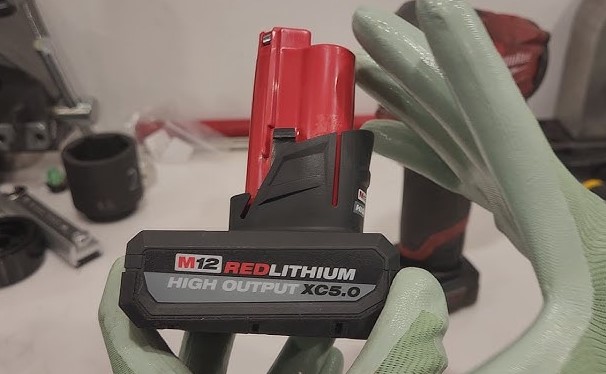
Milwaukee mainly uses Lithium-ion (Li-ion) batteries and REDLITHIUM batteries. Each type has different features, run times, and lifespans.
Lithium-ion Batteries
-
Most common in small and medium tools.
-
Light and easy to carry.
-
Hold charge better than older nickel-cadmium batteries.
-
Typical lifespan: 1–2 years with normal use.
-
Charge cycles: about 300–500 full charges.
-
Advantages: Lightweight, quick charging, no memory effect.
-
Disadvantages: Less durable in extreme temperatures.
REDLITHIUM Batteries
-
Designed for heavy-duty tools and construction work.
-
Stronger cells for higher power output.
-
Can last 2–5 years depending on use.
-
Charge cycles: up to 1000 full charges.
-
Handle extreme temperatures: cold down to -20°F, hot up to 120°F.
-
Maintain more consistent power under heavy load.
-
More expensive but last longer and perform better in professional work.
Factors That Affect Battery Life
Battery life does not depend only on battery type. Tool usage, charging habits, and storage conditions play a huge role.
Tool Usage
-
Tools that need more power (like circular saws or grinders) drain batteries faster.
-
Frequent use shortens lifespan. For example, using a 5Ah battery daily may reduce its life by 30–40% faster than occasional use.
-
Small tools like screwdrivers use less energy, so batteries last longer.
Charging Habits
-
Full charges are better than partial charges for battery health.
-
Leaving a battery on the charger for days reduces long-term life.
-
Using chargers not made by Milwaukee can damage cells.
-
Fast charging may slightly reduce lifespan over many cycles.
Storage Conditions
-
Heat is the main enemy of batteries. Storing at above 100°F can reduce capacity quickly.
-
Extreme cold slows down charging and can temporarily reduce power.
-
Ideal storage: cool, dry place. Keep at 30–50% charge for long-term storage.
Frequency of Use
-
Constant use shortens lifespan due to heat generation.
-
Tools used once a week maintain batteries better than daily heavy use.
-
Some REDLITHIUM batteries have temperature management that protects cells during heavy use.
Signs That Milwaukee Batteries Are Weak or Dying
Spotting weak batteries early prevents tool problems. Common signs include:
-
Short run time compared to normal.
-
Battery becomes very hot during use or charging.
-
LED indicators blink red or show error codes.
-
Tools run slower or stop unexpectedly.
-
Battery does not charge to full percentage.
Tips to Make Milwaukee Batteries Last Longer
-
Store Properly: Keep in cool, dry places. Avoid leaving in hot trucks or near heaters.
-
Charge Correctly: Use Milwaukee chargers only. Avoid overcharging.
-
Partial Discharges: Avoid fully draining battery before charging. Frequent small charges are okay.
-
Keep Clean: Wipe contacts and casing. Dirt or moisture can reduce performance.
-
Rotate Batteries: If using multiple batteries, rotate them. This reduces wear on a single battery.
-
Avoid Extreme Temperatures: Cold slows down use; heat reduces lifespan.
Battery Life by Amp-Hour (Ah) Rating
Milwaukee batteries come in different Ah sizes. Higher Ah gives longer runtime but may affect lifespan differently.
| Battery Type | Capacity | Typical Run Time | Typical Lifespan | Charge Cycles |
|---|---|---|---|---|
| Lithium-ion | 2.0Ah | 30–45 min tool use | 1–2 years | 300–500 |
| Lithium-ion | 4.0Ah | 1–1.5 hours | 1–2 years | 300–500 |
| REDLITHIUM | 5.0Ah | 2–3 hours | 3–5 years | 500–1000 |
| REDLITHIUM | 9.0Ah | 4–5 hours | 3–5 years | 800–1000 |
Run time depends on tool type, load, and work intensity.
FAQs
Q1: How many charges can Milwaukee batteries handle?
Most Li-ion batteries handle 300–500 full charges. REDLITHIUM can reach up to 1000 charges.
Q2: Can a Milwaukee battery last 5 years?
Yes. REDLITHIUM batteries can last 3–5 years with proper care. Li-ion usually lasts 1–2 years.
Q3: What reduces battery life the most?
Excessive heat, leaving on charger for too long, frequent heavy use, and using non-Milwaukee chargers.
Q4: Can I store batteries without using them?
Yes, store at 30–50% charge in a cool, dry place. Avoid freezing or direct sunlight.
Q5: How do I know when a battery is dead?
If it can’t hold a charge, overheats quickly, or the LED blinks red, the battery is dead and needs replacement.
Conclusion
Understanding Milwaukee batteries helps you use tools efficiently and save money. Lithium-ion batteries are light and convenient for small jobs, while REDLITHIUM batteries last longer and handle heavy-duty work.
Proper charging, storage, and usage extend battery life significantly. Regular care ensures your batteries perform well and last for years, keeping tools ready for any task.