
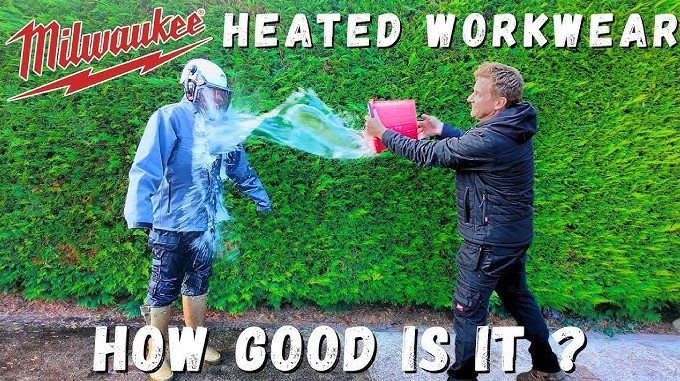
A Milwaukee heated jacket keeps you warm in freezing temperatures, making it a favorite for outdoor workers and winter enthusiasts. Maintaining its heating system while keeping it clean requires careful attention.
Washing a heated jacket incorrectly can damage its battery, wiring, or heating elements, leading to costly repairs or replacement. Knowing the proper steps ensures both safety and longevity of the jacket. Many people wonder if they can toss it in a regular washing machine or if hand washing works best.
Understanding the materials, battery removal process, and recommended detergents plays a key role in preserving performance. Following manufacturer instructions guarantees that heat functionality stays intact while removing dirt, sweat, and grime.
Proper care extends the jacket’s life and keeps it looking fresh season after season. Safety precautions, gentle handling, and smart washing choices make all the difference in keeping the Milwaukee heated jacket reliable.
Can You Wash Milwaukee Heated Jacket?
Milwaukee heated jackets keep you warm in cold weather using built-in heating panels.
Many people worry about washing them because of the wires and battery inside. Washing the jacket incorrectly can break the heating system or damage the fabric.
This article explains everything about cleaning a Milwaukee heated jacket safely, including hand washing, machine washing, and proper drying methods.
Understanding Milwaukee Heated Jackets
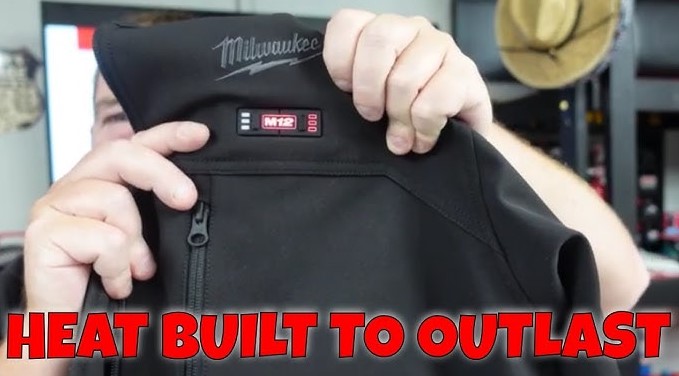
Milwaukee heated jackets are designed for work, outdoor activities, and cold environments. They use battery-powered heating elements inside the jacket to generate warmth.
How the Heating System Works
-
Heating panels: Thin, flexible wires run inside the jacket. They warm up when electricity flows through them.
-
Battery pack: Detachable lithium-ion battery provides power. Voltage usually ranges from 12V to 18V depending on the model.
-
Controller: A small button or switch adjusts heat levels, often with 3 settings: low, medium, and high.
Materials Used
Most Milwaukee heated jackets use durable synthetic fabrics:
-
Polyester: Strong, water-resistant, and durable.
-
Nylon: Lightweight and flexible.
-
Cotton blends: Sometimes used for comfort but less water-resistant.
Understanding these materials is important because harsh washing or high heat can damage them.
Preparing the Jacket for Washing
Cleaning starts with preparation. The following steps protect the heating system and battery:
-
Remove the battery: Always take out the battery. Washing with the battery attached can short-circuit the wires and create safety hazards.
-
Disconnect the controller: Unplug any wires connected to the battery.
-
Check the care label: Each jacket has a manufacturer tag. Some jackets can be machine washed; others are safer by hand.
-
Inspect for damage: Look for loose wires, broken stitches, or tears. Washing a damaged jacket can make problems worse.
Washing Methods
Hand Washing
Hand washing gives the most control and reduces risk of damage:
-
Fill a basin with cold or lukewarm water (not over 30°C/86°F).
-
Add a small amount of mild detergent. Avoid harsh chemicals or bleach.
-
Submerge the jacket gently. Use your hands to rub dirty areas lightly.
-
Rinse thoroughly with clean water to remove all detergent.
-
Squeeze water gently. Do not twist or wring the jacket because it can damage wires.
Machine Washing
Machine washing is possible if the label allows it:
-
Set the machine to gentle or delicate cycle.
-
Use cold water only. Hot water can warp wires or shrink fabric.
-
Place the jacket in a mesh laundry bag to protect zippers and seams.
-
Use mild liquid detergent. Avoid powders that leave residue.
-
Skip bleach, fabric softeners, or other chemicals that can damage heating elements.
Quick Data Insight
-
Most batteries used in heated jackets are 12V or 18V lithium-ion. Water exposure can cause short circuits if not removed.
-
Heating wires are thin, often less than 1 mm thick, so even a small fold or strong squeeze can break them.
-
Polyester and nylon fabrics can shrink by 2–5% in hot water, which is enough to damage fit or wires.
Drying the Jacket
Proper drying is as important as washing:
-
Air dry only: Hang on a hanger in a ventilated room.
-
Avoid direct sunlight: UV rays can weaken fabric and wires.
-
Do not use a dryer: Heat can melt wires, shrink fabric, or damage the battery connector.
-
Do not iron: Even low heat can burn internal wires.
Extra Drying Tips
-
Shake out excess water before hanging.
-
Lay flat if the jacket is heavy with water.
-
Make sure pockets and sleeves are fully dry before storing to avoid mold.
Storing and Maintaining the Jacket
Proper care extends the life of the jacket:
-
Store with battery removed.
-
Fold carefully or hang. Avoid sharp bends.
-
Check wires and fabric regularly for damage.
-
Charge the battery fully before long-term storage to prevent battery degradation.
Data Note
A fully charged lithium-ion battery can last 2–5 years if stored correctly. Heat, moisture, or leaving the battery inside the jacket during storage can reduce this lifespan by 30–50%.
FAQs
Q1: Can I wash Milwaukee heated jackets often?
Only wash when necessary. Frequent washing can reduce the life of wires and fabric.
Q2: Can I soak the jacket overnight?
No. Prolonged soaking can weaken wires and seams. A gentle wash for 5–10 minutes is enough.
Q3: Is it safe to iron the jacket?
No. Ironing can melt the heating wires inside.
Q4: Can I use a spin dryer?
Avoid high-speed spins. Gentle squeezing or air drying is safest.
Q5: Can the jacket get wet in rain?
Yes, most jackets are water-resistant. But avoid full submersion. Wet jackets should be dried soon to prevent mold or wire damage.
Conclusion
Milwaukee heated jackets can be washed safely if the battery is removed and washing is done gently. Hand washing is safest, but gentle machine cycles are possible.
Cold water, mild detergent, and air drying protect both the fabric and heating system. Regular care, proper storage, and careful washing extend the jacket’s lifespan and keep it working properly for many winters.