Bauer Tools often appears on store shelves alongside big-name brands, leaving many curious about its origins. The brand carries a reputation for affordability and reliability, but questions linger about its manufacturing roots.
Some homeowners and DIY enthusiasts notice similarities between Bauer and Milwaukee tools, sparking debates about whether they share production lines or corporate ties. Understanding where Bauer tools come from helps buyers make smarter choices and set realistic expectations about quality and performance.
Manufacturing practices in the tool industry vary widely, with some brands outsourcing to third-party factories while others maintain strict in-house production. Comparing Bauer and Milwaukee tools reveals differences in design, materials, and warranty policies that influence long-term durability.
Clarifying the connection or lack thereof between these two brands can save consumers time, money, and frustration during their next hardware project.
Are Bauer Tools Made by Milwaukee?
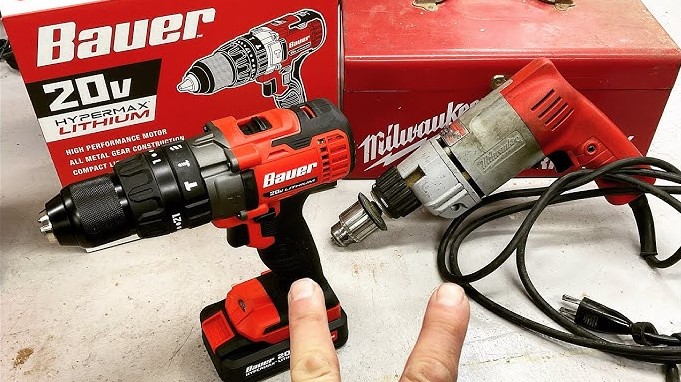
Many people wonder if Bauer tools are made by Milwaukee because some Bauer tools look similar to Milwaukee’s. This confusion comes from the style, color, or packaging that might remind buyers of professional tools.
Understanding the difference is important before spending money. Knowing who makes the tools, their quality, and performance helps you decide which brand suits your needs.
This article explains the origin of Bauer tools, compares them to Milwaukee, provides real performance details, and gives guidance for buyers.
Who Makes Bauer Tools?
Bauer tools are not made by Milwaukee. Milwaukee is a well-known company in the professional tool industry. It designs high-end tools used by construction workers, electricians, and skilled technicians.
Bauer tools are a separate brand, often sold at large retail stores such as Harbor Freight. The company behind Bauer focuses on budget-friendly tools for home users, hobbyists, and occasional DIY projects. The goal is affordability, not heavy-duty professional use.
Bauer offers a wide range of tools:
-
Cordless drills and drivers
-
Circular saws
-
Angle grinders
-
Hand tools (wrenches, screwdrivers, pliers)
-
Air compressors and pneumatic tools
The brand aims to provide value for casual users. Their tools are functional but are not designed for continuous daily use like Milwaukee tools.
Quality and Build: Bauer vs Milwaukee
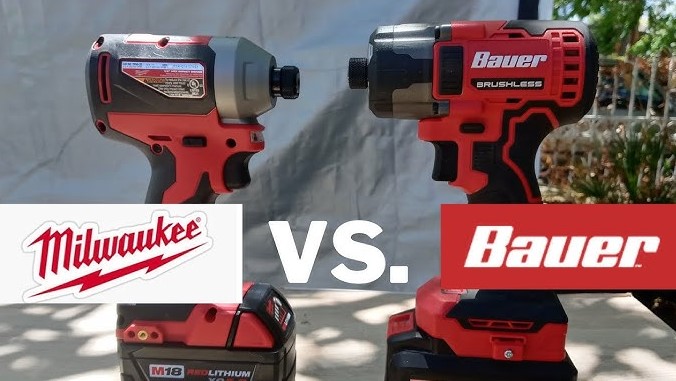
Materials and Durability
Bauer Tools:
-
Use standard metals and plastics.
-
Parts can wear faster under heavy use.
-
Cases and housings are often lighter to reduce cost.
Milwaukee Tools:
-
Built with high-strength metals, premium plastics, and reinforced components.
-
Designed for heavy-duty construction and long-term durability.
-
Better heat management in motors and electronics.
Example: A Bauer cordless drill may have a plastic gearbox housing. A Milwaukee drill often has a metal or reinforced housing that lasts years of frequent use.
Performance and Power
Bauer tools provide sufficient power for small household jobs:
-
Drill speeds: Usually around 1,200–1,500 RPM
-
Motor type: Standard brushed motors in many models
-
Battery voltage: Commonly 12V to 20V
Milwaukee tools deliver higher performance for professional use:
-
Drill speeds: Often 1,800–2,000 RPM
-
Motor type: Brushless motors in many models for longer life and efficiency
-
Battery voltage: 18V, 20V, and 28V with longer runtime
Fact: Milwaukee brushless motors improve battery life by 30–50% compared to brushed motors used in budget tools like Bauer.
Price Comparison
-
Bauer tools: $20–$150 per tool depending on size and type
-
Milwaukee tools: $100–$500+ per tool, sometimes higher for advanced models
The price difference reflects build quality, motor technology, battery life, and warranty coverage. Bauer tools save money upfront but may require replacement sooner. Milwaukee tools cost more but last longer and handle tougher jobs.
Manufacturing and Origin
Bauer tools are primarily made in China. This allows the brand to keep costs low. Many Milwaukee tools are also manufactured overseas, but Milwaukee invests more in quality control and testing to maintain professional standards.
Knowing the origin helps buyers understand tool expectations:
-
Bauer: Designed for light to medium use, occasional home projects
-
Milwaukee: Made for heavy, professional, daily use with strict quality control
Battery and Accessories
Bauer tools use proprietary batteries. They do not work with batteries from other brands like Milwaukee or DeWalt.
Battery performance facts:
-
Bauer batteries often offer 1–2 hours of continuous use per charge
-
Milwaukee batteries may provide 4–6 hours depending on tool type and work intensity
Battery life affects project efficiency. For a homeowner with small tasks, Bauer is enough. Professionals need longer runtimes, making Milwaukee more suitable.
Comparison Table: Bauer vs Milwaukee
| Feature | Bauer Tools | Milwaukee Tools |
|---|---|---|
| Target Users | Homeowners, DIY, Hobbyists | Professionals, Contractors |
| Materials | Plastic and standard metals | High-grade metals and reinforced plastics |
| Motor Type | Brushed (basic) | Brushless (advanced) |
| Battery Voltage | 12V–20V | 18V–28V |
| Power | Light to medium tasks | Heavy-duty tasks |
| Price Range | $20–$150 | $100–$500+ |
| Warranty | 1–2 years | 3–5 years |
| Made In | China | US & China (controlled QC) |
Tips for Buying Bauer Tools
-
Check user reviews for reliability. Some tools may perform better than others.
-
Always buy the correct battery and charger from Bauer to avoid damage.
-
Read warranty information carefully. Shorter warranties indicate lower expected lifespan.
-
Use Bauer tools for light to medium work to extend life. Heavy-duty tasks can shorten tool lifespan.
FAQs About Bauer and Milwaukee Tools
Q: Can I use Milwaukee batteries with Bauer tools?
No. Bauer tools use their own batteries, which are not compatible with Milwaukee or other brands.
Q: Are Bauer tools good for home use?
Yes. They are affordable and suitable for occasional tasks such as drilling, cutting, or assembling furniture.
Q: Do professionals use Bauer tools?
Rarely. Professionals prefer Milwaukee, DeWalt, or Makita for durability and power.
Q: Is Bauer owned by Milwaukee?
No. Bauer is a separate brand focused on budget-friendly tools.
Q: Can Bauer tools last a long time?
Yes, with careful use. Avoid heavy, continuous use. Proper storage and maintenance can increase lifespan.
Q: What is the difference in battery life between Bauer and Milwaukee?
Bauer batteries typically last 1–2 hours per charge. Milwaukee batteries last 4–6 hours or more, depending on tool and workload.
Conclusion
Bauer tools are not made by Milwaukee. They serve different markets. Bauer focuses on affordable tools for homeowners, hobbyists, and light projects. Milwaukee builds high-end tools for professionals who need durability, power, and long battery life.
For occasional home tasks, Bauer is a practical choice. For daily use or heavy-duty work, Milwaukee tools provide better performance and longevity. Understanding this difference helps buyers avoid confusion and select the right tools for their needs.