
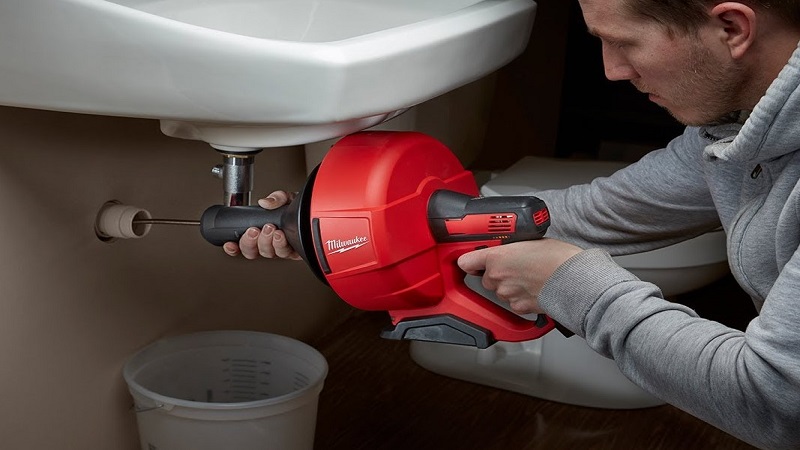
Clogged drains can turn a simple household task into a frustrating challenge. The Milwaukee drain snake offers a reliable solution, designed to tackle stubborn blockages efficiently. Understanding how to use this tool properly saves time, prevents damage, and keeps your plumbing running smoothly.
This versatile device works on sinks, tubs, and showers, reaching clogs that standard plungers cannot. Its durable build and powerful motor allow even tough obstructions to clear quickly, giving you peace of mind.
Safety and technique matter most while operating the drain snake, and following the correct steps ensures effective results without causing harm to pipes or surfaces. Anyone from DIY enthusiasts to homeowners tackling routine maintenance benefits from mastering this tool.
By learning its features, handling methods, and troubleshooting tips, you gain confidence in managing household plumbing issues and protecting your drains for the long term.
How to Use Milwaukee Drain Snake?
Clogged drains create big problems in the kitchen, bathroom, or laundry. Water drains slowly or stops completely. Unpleasant smells appear, and cleaning becomes harder.
A Milwaukee drain snake is a powerful tool to fix these problems quickly. This tool can remove hair, grease, soap, and small debris from pipes.
Learning how to use it correctly can save money on plumbers and prevent pipe damage. This guide explains everything in clear, simple steps, so beginners can follow safely and easily.
What is a Milwaukee Drain Snake?
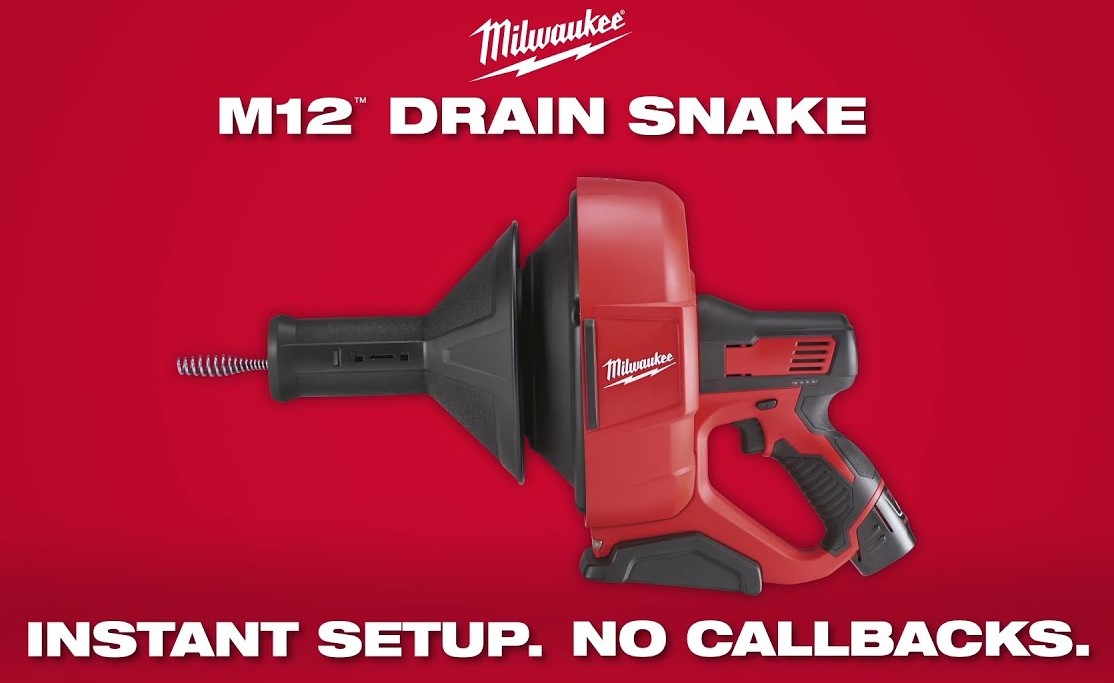
A Milwaukee drain snake is a motorized tool that clears blockages inside pipes. The main parts include a flexible cable, a motor, and a handle.
The cable rotates while moving through the drain, breaking up clogs or pulling them out. Some models have different tips for different types of clogs, like hair, grease, or small solids.
Key Features
-
Motorized Cable Rotation: Spins the cable inside pipes to loosen clogs.
-
Flexible Cable: Can bend around pipes without breaking them.
-
Multiple Tips: Interchangeable heads for different types of blockages.
-
Compact Storage: Easy to store in closets or toolboxes.
-
Durable Build: Made to last with heavy-duty materials.
Step-by-Step Guide to Using Milwaukee Drain Snake
Step 1: Prepare the Work Area
-
Remove any items under sinks or around drains.
-
Wear gloves and old clothes to protect yourself.
-
Place a bucket under the pipe to catch water and debris.
-
Keep towels handy to clean up spills.
Step 2: Inspect the Drain
-
Check if water is standing or moving slowly.
-
Remove visible debris from the drain opening.
-
Make sure the pipe is strong and not cracked.
Step 3: Insert the Cable
-
Hold the snake handle firmly.
-
Slowly feed the cable into the drain.
-
Push gently. Forcing the cable may damage the pipe.
-
Rotate the cable manually at first to guide it through bends.
Step 4: Turn on the Motor
-
Switch on the Milwaukee drain snake’s motor.
-
Let the motor rotate the cable inside the pipe.
-
Slowly push the cable forward as it spins.
-
The spinning breaks up clogs or wraps hair and debris around the tip.
Step 5: Break Up Tough Clogs
-
If the clog is very hard, move the cable back and forth gently.
-
Rotate the cable fully around to loosen stubborn blockages.
-
Avoid using excessive force, which can harm the pipe.
Step 6: Remove the Cable and Debris
-
Slowly pull the cable out while the motor is running at low speed.
-
Check the tip for debris. Remove stuck hair or solids carefully.
-
Repeat the process if water still drains slowly.
Step 7: Flush the Drain
-
Run hot water for several minutes to remove leftover grease and dirt.
-
For kitchen drains, pour a small amount of baking soda followed by hot water to clean pipes naturally.
-
Ensure water flows freely before finishing.
Step 8: Clean and Store the Tool
-
Wipe the cable with a cloth to remove moisture and debris.
-
Clean the tips thoroughly.
-
Store the snake in a dry, safe place to prevent rust or damage.
Safety Tips for Using a Drain Snake
-
Wear gloves and eye protection to avoid injury.
-
Keep hair, loose clothing, and jewelry away from the motor.
-
Never force the cable through a pipe. Gentle pressure works better.
-
Avoid using the snake on old, corroded, or fragile pipes.
-
Always unplug the tool before cleaning or changing tips.
Extra Tips for Best Results
-
Use smaller tips for bathroom sinks and showers.
-
For kitchen drains, use larger, heavy-duty tips to reach deep clogs.
-
Running hot water after clearing helps prevent grease buildup.
-
Avoid using chemical drain cleaners before using the snake, as they can splash and cause burns.
-
Regularly clean the drain and the cable to prevent rust and future blockages.
FAQs
Q1: Can I use a Milwaukee drain snake on all types of drains?
Yes, it works on most home sinks, showers, and tubs. Avoid very old or fragile pipes.
Q2: How long is the cable?
Cable lengths vary by model. Common lengths are 25, 35, and 50 feet. Longer cables reach deep clogs in kitchen or basement drains.
Q3: Can I use it without electricity?
Manual snakes exist for small clogs, but motorized Milwaukee snakes require power to rotate the cable.
Q4: How often should I use a drain snake?
Use it only when water drains slowly or a clog forms. Regular cleaning helps prevent blockages.
Q5: Can it damage pipes?
Pipes stay safe if you use gentle pressure and avoid forcing the cable. Old pipes may need a plumber’s inspection first.
Q6: Can it remove all types of clogs?
It removes hair, grease, soap, and small solids. Large tree roots or very hard objects may require professional help.
Conclusion
A Milwaukee drain snake is a reliable tool for keeping drains clear and working well. Following careful steps and safety tips ensures the tool works efficiently without damaging pipes.
Regular maintenance, proper cable use, and cleaning the drain prevent future blockages. This tool saves time and effort compared to other methods and works on most home drains. Using it correctly ensures smooth water flow and a clean, safe home.