
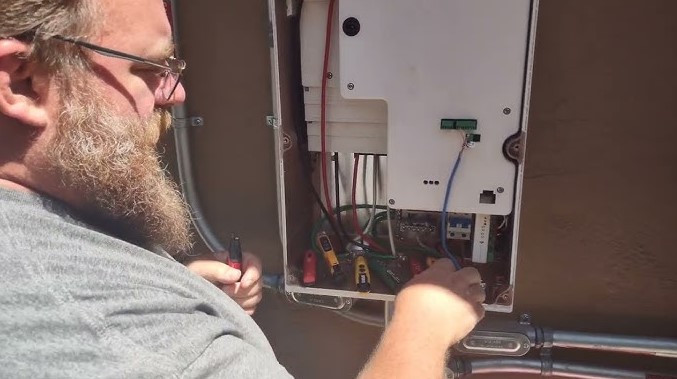
Electrical work demands precision, focus, and reliable tools. The Milwaukee Voltage Detector provides a quick and accurate way to check live wires, protect yourself, and prevent costly mistakes. Designed for both professionals and DIY enthusiasts, this device simplifies voltage testing across outlets, circuits, and wires.
Knowing how to use it properly ensures safety while giving confidence in every task. Its ergonomic design fits comfortably in your hand, while the clear visual and audible indicators make identifying live wires effortless.
From routine home checks to complex electrical projects, understanding the detector’s functions, signal patterns, and proper handling reduces risks and saves time. Even small mistakes can lead to shocks or damage, so mastering the tool’s operation makes a significant difference.
This guide will walk through essential steps, tips, and best practices to make voltage testing faster, safer, and more efficient with the Milwaukee Voltage Detector.
How to Use Milwaukee Voltage Detector?
Electricity is powerful and dangerous. Even a small mistake can cause shock or fire. Checking wires before touching them is essential. A Milwaukee Voltage Detector helps you detect electricity safely.
This tool shows whether a wire, outlet, or switch has live voltage. Learning to use it correctly keeps you safe and your work accurate.
This guide explains everything you need to know. From understanding the tool, testing it, and scanning wires, to safety tips.
What is a Milwaukee Voltage Detector?
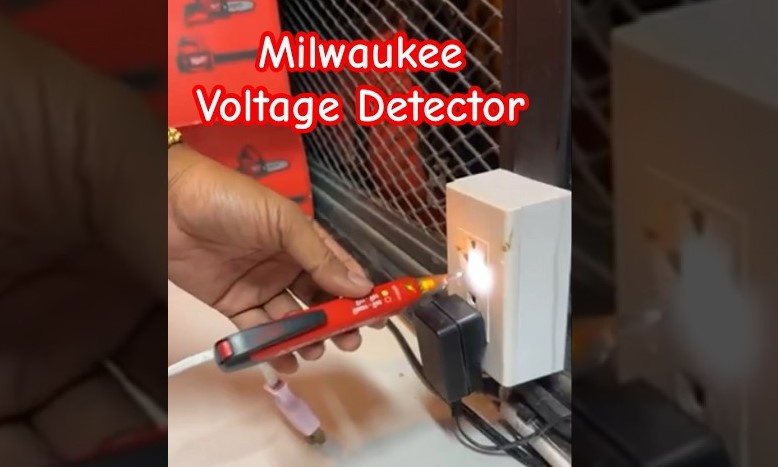
A Milwaukee Voltage Detector is a small handheld tool that senses electricity in wires without direct contact.
Most models detect voltage using sensors inside the tip. When voltage is present, the detector signals with a beep, light, or both.
Key uses:
-
Checking if a wall outlet is live.
-
Testing extension cords or power strips.
-
Finding live wires in walls or panels.
-
Avoiding accidental shocks while repairing electrical systems.
Types of Milwaukee Voltage Detectors
Milwaukee offers several types, and each works slightly differently:
1. Non-Contact Voltage Detector
-
Detects AC voltage without touching wires.
-
Ideal for outlets, cords, and wires behind walls.
-
Safe for beginners because no direct contact is needed.
2. Contact Voltage Tester
-
Requires touching the wire with a metal probe.
-
Measures AC and sometimes DC voltage.
-
Provides precise voltage readings.
-
Suitable for electricians and advanced users.
3. Dual Range or Advanced Models
Some detectors can check both AC and DC voltage, detect live wires in walls, and have a flashlight for dark spaces.
How to Use Milwaukee Voltage Detector?
Follow these steps carefully. Each step ensures safety and correct readings.
1. Check the Detector
-
Install batteries properly. Most models use AAA or button cells.
-
Turn the detector on using the power switch or button.
-
Test it using the “Test” function if available. Some models light up or beep when you press this.
2. Test on a Known Live Source
-
Use an outlet or wire that you know is powered.
-
The detector should beep or light up.
-
This confirms the tool is working properly.
3. Scan Wires and Outlets
-
Hold the detector near the wire or outlet.
-
Move slowly along the wire to detect hidden voltage.
-
Avoid touching exposed wires.
4. Interpret the Signals
-
A continuous beep or flashing light means voltage is present.
-
A faint or no signal usually means no power, but double-check.
-
Some models indicate voltage range with signal strength.
5. Safety First
-
Never assume a wire is safe without checking.
-
Wear insulated gloves for extra protection.
-
Use insulated tools when working on electricity.
-
Avoid wet areas while testing, as water conducts electricity.
Extra Details and Practical Tips
Battery and Maintenance
-
Replace batteries when the signal weakens.
-
Keep the detector clean and dry.
-
Store in a safe case to avoid dust and damage.
Detecting Voltage in Walls
-
Non-contact detectors can sense live wires inside walls.
-
Move the detector slowly along the wall surface.
-
Avoid metal studs, nails, or screws; they may affect readings.
Detecting DC and AC Voltage
-
Most home circuits use AC voltage.
-
Some Milwaukee models detect DC voltage, useful for car batteries or solar panels.
Using with Electrical Panels
-
Test wires before opening panels.
-
Ensure the detector is rated for the voltage of your system (check the manual).
-
Keep a safe distance from live circuits.
Common Mistakes
-
Relying on one reading. Always check twice.
-
Using the detector with dead batteries.
-
Testing wet or damaged wires.
-
Ignoring safety gear like gloves or goggles.
FAQs
1. Can I use a Milwaukee Voltage Detector on high-voltage wires?
Only if the model is rated for high voltage. Check the voltage range on your device.
2. Can it detect hidden wires in walls?
Yes, non-contact detectors can sense voltage inside walls if the wire carries power.
3. What should I do if the detector gives inconsistent readings?
Test the detector on a known live source. Replace batteries if needed and repeat.
4. Can it detect DC voltage?
Some models can. Read the product details to confirm.
5. How close should I hold the detector to the wire?
Usually within a few centimeters. Moving slowly improves accuracy.
6. Is it safe to touch wires while testing?
No. Non-contact detectors work without touching. Touching live wires can cause shock.
Conclusion
Milwaukee Voltage Detectors help prevent accidents and make electrical work safer. Testing wires, outlets, and cords before working protects you from shocks.
Use the detector correctly, test it first, and follow safety rules. Maintain the device, check batteries, and store it properly. Using this tool regularly keeps your electrical work safe, simple, and accurate.